
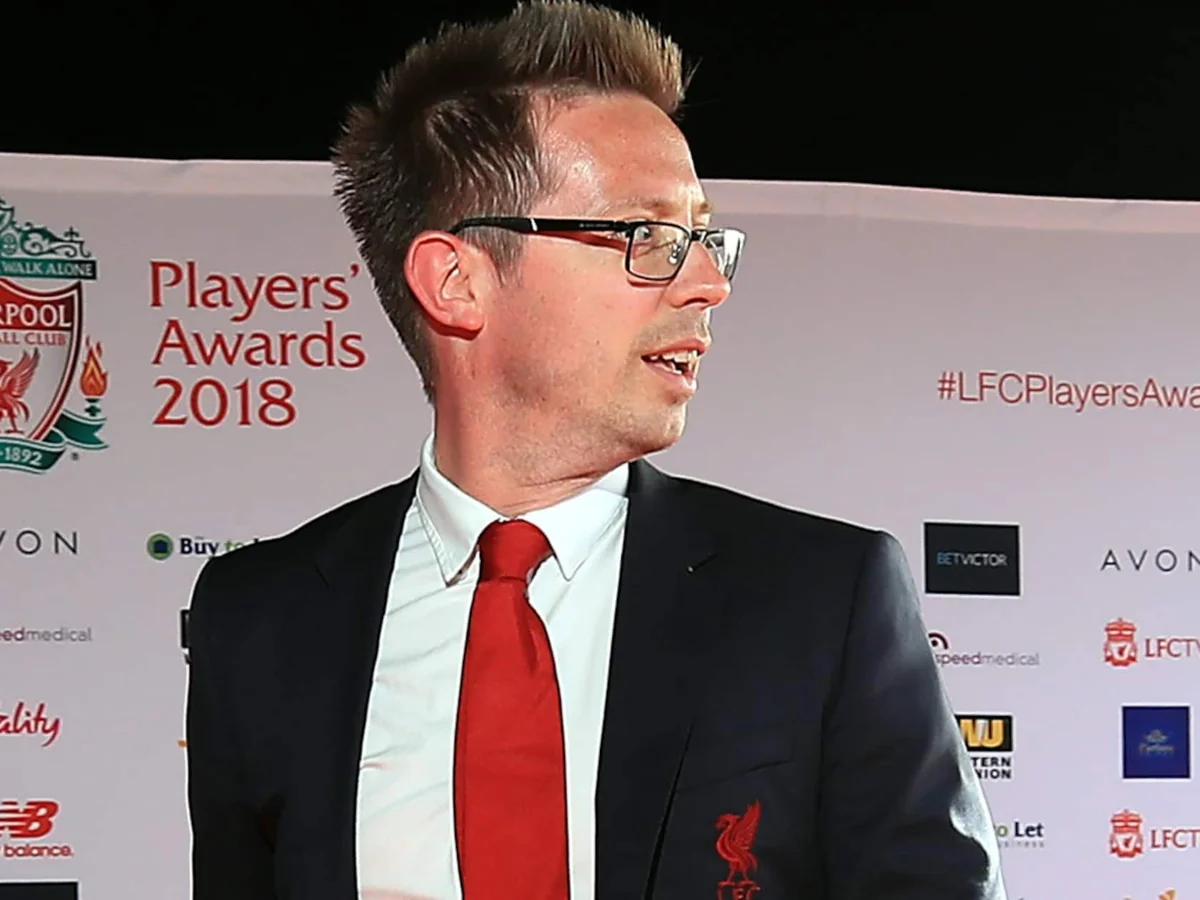
Michael Edwards is done at Liverpool. Again. But this time it feels different.
The man who rebuilt the club from the ground up, the analytical whiz who turned data into trophies, walked away from his role as FSG’s CEO of football this week. He’d told the owners last fall he was planning to leave. He served his notice. Now he’s gone with a year left on his contract.
Edwards came back to Liverpool in 2024 — not to be sporting director again, but to oversee a bigger vision. FSG wanted another club. They wanted the multi-club model that’s become the trend across Europe. Edwards was supposed to be the architect of that expansion. Instead, he spent two years watching FSG kick tires on roughly 25 different clubs — Malaga, Bordeaux, a bunch of others — and walk away from every single deal.
The job wasn’t what he signed up for. And Edwards, who has never been shy about walking when things don’t fit, decided he’d rather leave than settle for a role that wasn’t growing the way he saw it.
FSG president Mike Gordon is now expected to take a bigger hand in Liverpool’s day-to-day operations. But the timing could hardly be worse.
The Ripple Effect Hits Anfield
Because Edwards’ exit isn’t happening in a vacuum. Sporting director Richard Hughes — the guy Edwards personally hired — is also expected to leave, with reports linking him to a move to Saudi side Al-Hilal. If Hughes goes, that’s the entire top tier of Liverpool’s football operations gone in the span of a few weeks.
Edwards and Hughes were the ones who picked Arne Slot to replace Jurgen Klopp. Slot delivered a Premier League title in his first season, then got sacked after a rough 2025-26 campaign. They hired Andoni Iraola from Bournemouth to replace him. They broke the British transfer record to bring in Alexander Isak for £125 million. Almost £550 million in total spending — Florian Wirtz, Hugo Ekitike, Milos Kerkez, Jeremie Frimpong, Giorgi Mamardashvili, Giovanni Leoni. This summer alone they added Jeremy Jacquet and Victor Munoz.
That’s a lot of money and a lot of moves with no one left at the top who was there to make them.
What Comes Next
FSG has been here before. Edwards left once, spent time away, and they coaxed him back with a bigger title and a broader remit. But that remit didn’t materialize. And now the whole structure that Edwards rebuilt is holding together by a thread.
Liverpool still have Iraola on the touchline. They still have players who won the league two years ago. But the people who built the machine? They’re walking out the door. And in modern soccer, that kind of institutional memory doesn’t grow on trees.
Leave a Comment