
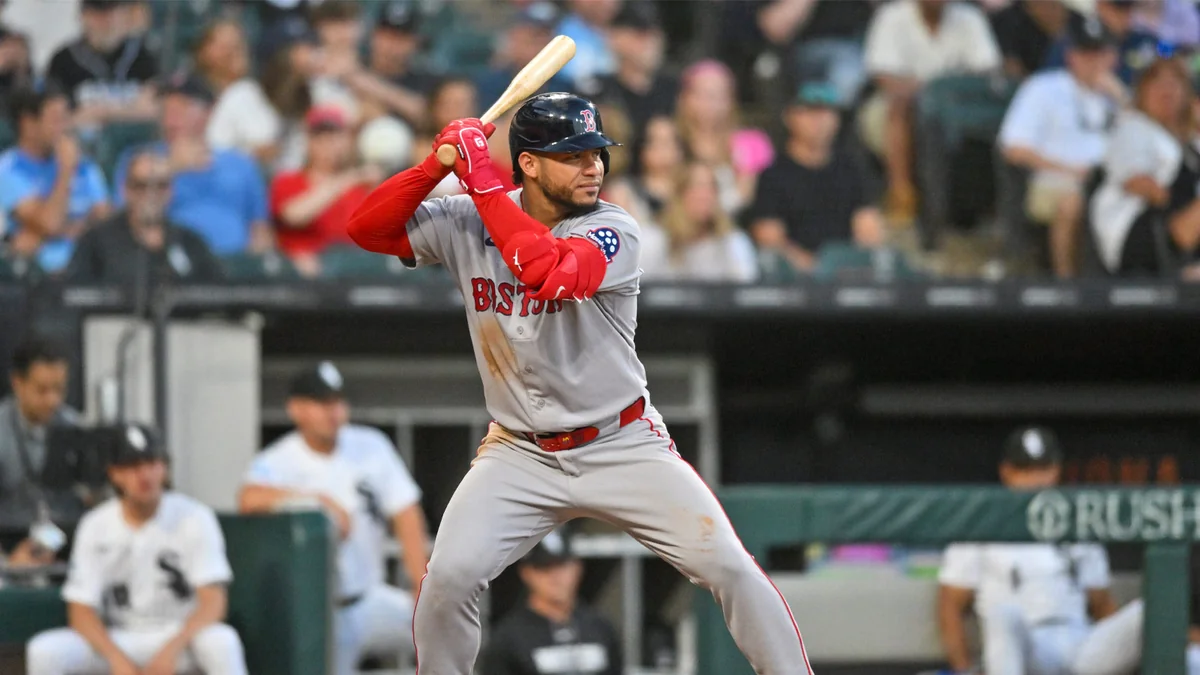
For the first time all season, the Boston Red Sox look like they might actually matter. They swept the Yankees in four games at Fenway. They took series on the road against the Angels and the White Sox, who had been the American League’s best home team. They’re heading into the All-Star break with actual momentum, which is more than anyone could have said about them in May.
But here’s the thing about a hot streak in July. It can fool you into thinking you’re closer than you are. And the Red Sox, if they’re honest with themselves, have bigger problems than one good stretch of baseball can solve.
The injuries alone should give general manager Craig Breslow pause. Ace Garrett Crochet has been sidelined since late April and won’t even start throwing again until after the break. Roman Anthony, the prized rookie, has been out since early May with a hand injury that still isn’t healing right. He’s seeing a specialist now. Trevor Story had sports hernia surgery in May. Starting pitchers Ranger Suarez and Connelly Early are both on the shelf. Interim manager Chad Tracy has been piecing together a rotation with duct tape and hope.
That’s a lot of reasons to sell. But selling shouldn’t include Willson Contreras.
The first baseman is having the best offensive season of his career. Through the break, he’s slashing .285/.379/.542 with 20 home runs and 61 RBIs. His previous career high in homers was 24. He’s on pace for 35. His RBI high was 80, set in 2024. He’ll blow past that by mid-August. At 34 years old, Contreras has found another gear in his first year in the American League, and the Red Sox are the ones benefiting.
More importantly, he’s under contract through 2027, with a club option for 2028. That means Boston controls him for two more seasons after this one. Trading him now would be selling low on a guy who’s still producing at an elite level, and there’s no obvious replacement waiting in the wings. Triston Casas is still struggling to get healthy. He ruptured a patellar tendon early last season and has since dealt with wrist issues. There’s no timeline for his return. So if you trade Contreras, you’re basically waving a white flag at first base for the foreseeable future.
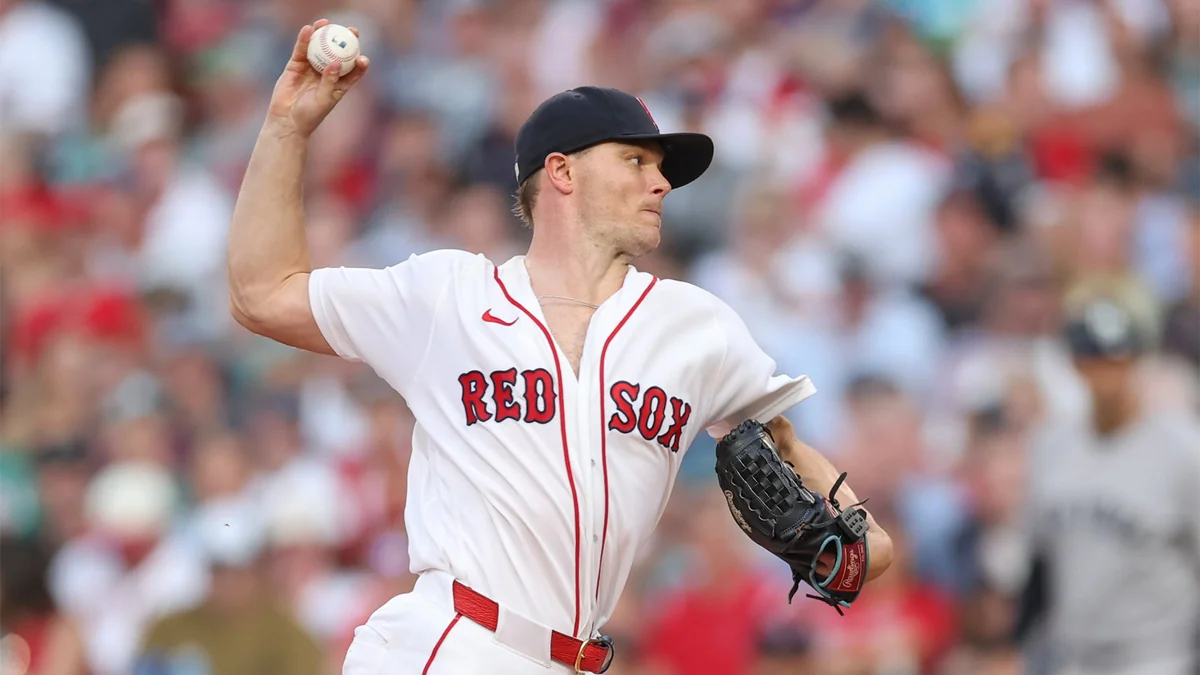
Sonny Gray is a different story. He’s been phenomenal — 10-1 with a 2.61 ERA across 16 starts, 11 of them quality. But his contract has mutual opt-outs after this season, and at 36 years old, he’s going to chase a multi-year deal somewhere. The Red Sox could trade him now, get a solid return, and then try to sign him again in free agency. That’s the smart play. That’s how you restock the farm system without completely punting the next two years.
But dealing Contreras? That’s the kind of move that signals you’re rebuilding, not retooling. And given how weak the American League is this season, the Red Sox don’t have to tear everything down. They just need to be smart about which pieces they keep. Contreras is one of them.
Leave a Comment