
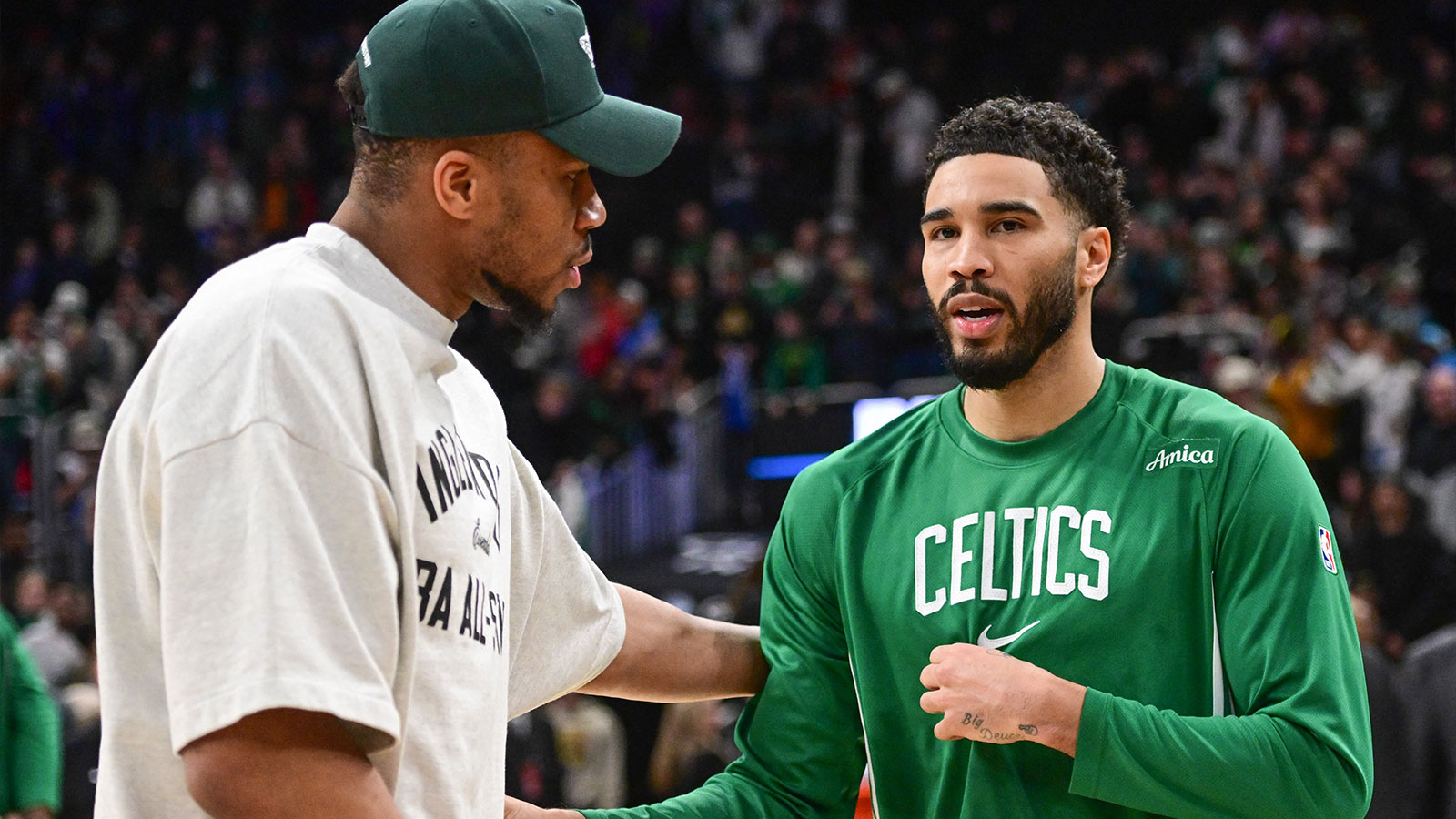
Brad Stevens finally said the quiet part out loud. The Celtics president of basketball operations confirmed this week that Boston seriously explored a package built around Jayson Tatum and Giannis Antetokounmpo. The alternative reality where Brown was never the second star? It was closer than most fans realized.
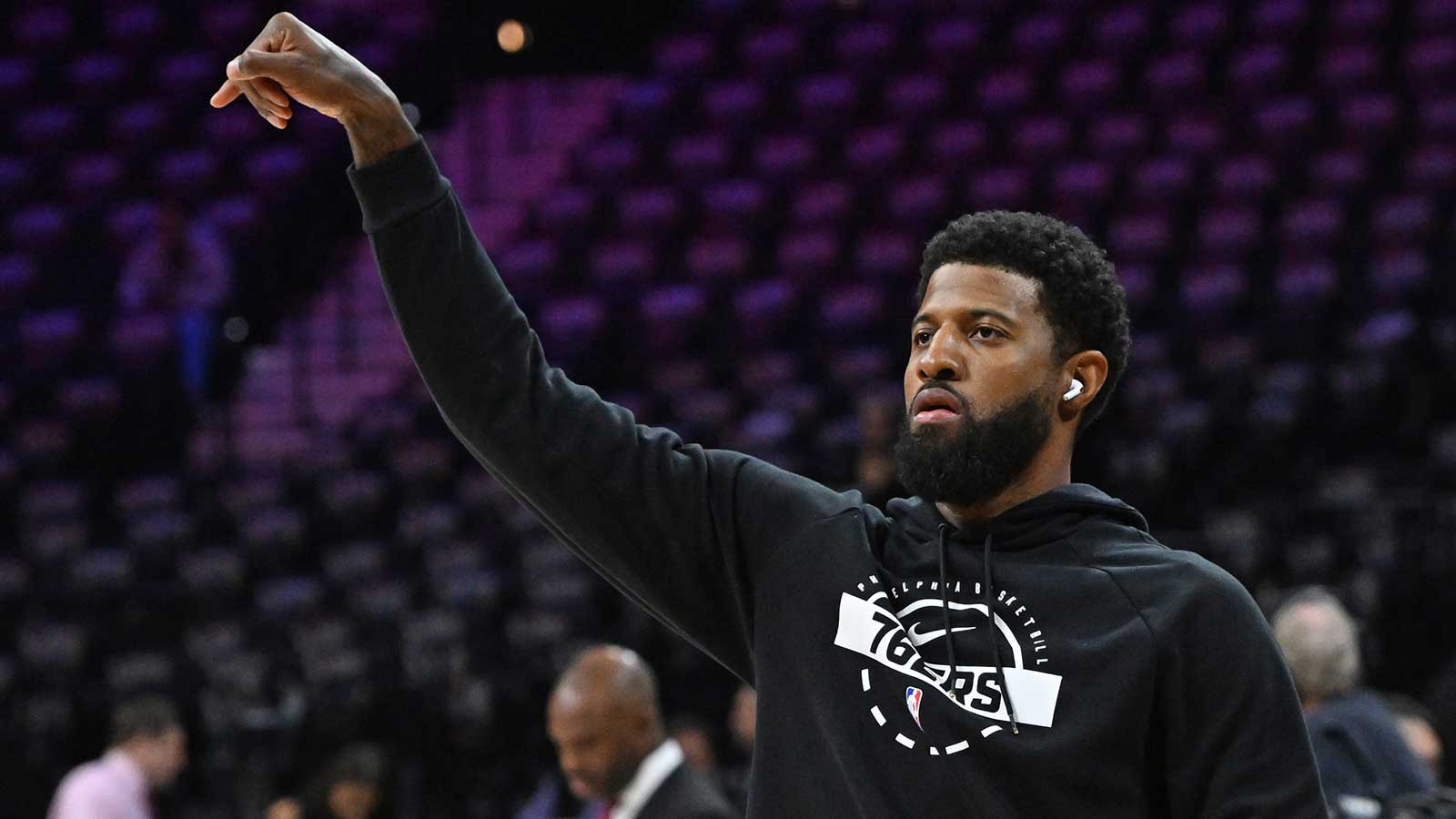
Stevens, speaking about the decision to send Brown to Philadelphia in exchange for Paul George, two first-round picks, and some second-round swaps, acknowledged that the Celtics entered the offseason with one clear priority: depth and flexibility. That sounds boring. But the subtext was anything but.
Boston was heavily involved in Antetokounmpo trade talks before Milwaukee ultimately sent him to Miami. According to league sources, the Celtics came up short because they refused to include Hugo Gonzalez and Baylor Scheierman in their offer. Stevens didn’t confirm that detail directly, but he didn’t deny it either. What he did say was telling.
“When I looked at our team, and I looked at where the league was heading, looked at the way that we’ve finished the last couple of years, the path looked a little bit more challenging for me,” Stevens said. “Seventy percent of our cap and such a high percentage of our usage tied to two players. The reality in this era, and in this day in age in the NBA, you can see it with the last couple of champions.”
The math was brutal. Brown’s contract had the same remaining years as Antetokounmpo’s deal. George’s contract? One year shorter. That mattered more than most people realized. Stevens knew he couldn’t keep three max-level players without strangling the roster. Something had to give.
What finally pushed him over the edge wasn’t just the cap sheet. It was the draft picks. The 2028 first-rounder, specifically. And the optionality that came with George’s shorter deal. Stevens said the return was twofold: get a player who could keep Boston competitive, and get assets that could be used in future moves.
“We still weren’t going to do anything unless we felt like it was the right return,” Stevens said. “At the end of the day, we made what I think was a really hard decision. One that comes with very little sleep.”
The Human Cost of a Trade
Stevens didn’t hide the personal weight of trading Brown. He called it a sad day. He admitted he lost sleep. He talked about sitting down with Brown in early June and telling him that if a trade ever happened, it would be painful. Not because of the highlights. Because of the relationships.
“When Jaylen came here as a 19-year-old, we knew that he had a lot of talent,” Stevens said. “But the thing that always impressed me even more was taking on the responsibility of being a great Boston athlete in the community.”
Analytics played a role in the decision. Stevens acknowledged that Brown’s usage rate negatively impacted Derrick White and Payton Pritchard’s individual offense. But he insisted the numbers weren’t the main driver. The bigger picture was depth. Look at the Knicks, who won the title last season on the backs of a deep rotation. Look at the Spurs, who knocked off the Thunder in the West finals with a bench that kept producing.
Stevens wants to build that. Without Brown, the Celtics added Mike Conley Jr. and Mitchell Robinson via free agency. George slots into the starting lineup next to Tatum. The hope is that the sum of the parts works better than the two-star model that kept coming up short.
“We’re excited about Paul. We’re excited about a lot of our young guys. We’re excited about the depth of our group,” Stevens said. “I think we’ve got a good team and I think we’ve got a lot of options moving forward.”
Whether that’s enough to catch the Heat or the Knicks remains to be seen. But Stevens made his bet. And he made it knowing that the alternative — Tatum and Antetokounmpo in Boston — was never quite within reach.
Leave a Comment