
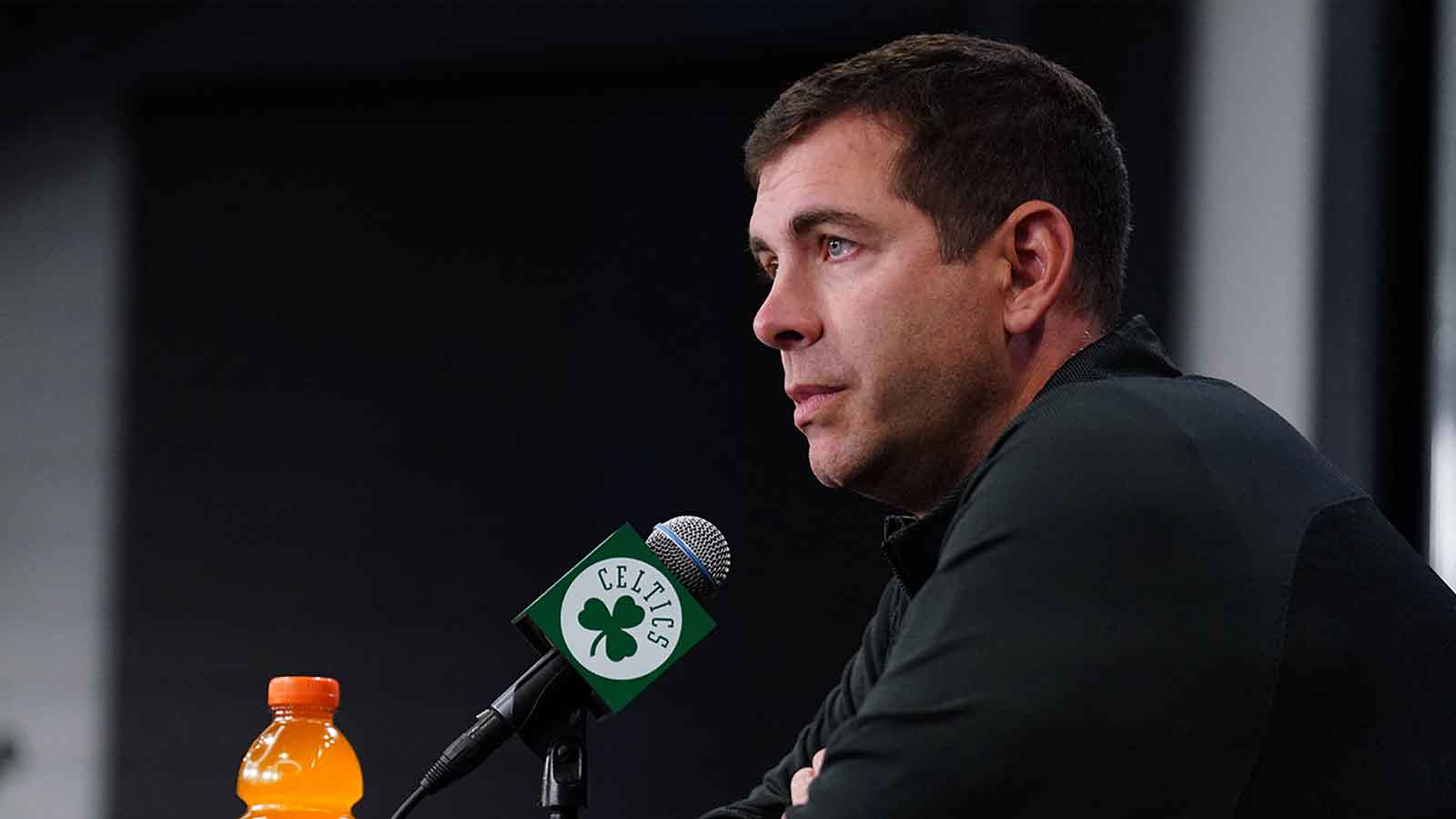
Brad Stevens wanted one thing clear. The Boston Celtics didn’t trade Jaylen Brown because they had to. They traded him because the offer finally made sense.
When news broke that Boston sent its two-time All-Star to the Philadelphia 76ers in exchange for Paul George and a pile of draft picks, the immediate assumption was that the front office felt backed into a corner. Brown had been dangled in trade talks for months. The Giannis Antetokounmpo pursuit fell through when Milwaukee shipped him to Miami. So the logical read was that Stevens and company panicked and pulled the trigger on something, anything, before Brown’s value dipped further.
Not according to the guy who made the call.
“We didn’t feel like we had to do something unless we felt it was the right return to keep at a good level and increase our optionality moving forward,” Stevens said in his first press conference since the deal.
The timing lines up with the noise. Boston had been in serious discussions with Milwaukee centered on Brown as the primary trade chip for Antetokounmpo, according to ClutchPoints’ NBA insider Brett Siegel. When the Bucks went a different direction and Antetokounmpo landed in South Beach, the speculation shifted from “if” Brown would get moved to “when.”
But Stevens is pushing back on the idea that the front office was boxed into a corner. He’s framing it as a calculated choice, not a forced one. The return — George, a proven two-way star who fits next to Jayson Tatum, plus multiple first-round picks — gave Boston a path to stay competitive now while keeping future flexibility. That’s the part Stevens keeps coming back to: optionality.
Brown was coming off a monster individual season. He played at an MVP-level clip while Tatum missed significant time recovering from an injury. The Celtics finished second in the East, and Brown went on to win Finals MVP last June. But this season’s playoff run ended ugly — a first-round exit to the same 76ers team that just acquired him. In that series, Brown put up career playoff highs across the board: 25.7 points, 5.7 rebounds, 3.3 assists, 1.1 blocks. He shot 45.5 percent from the field, 40.5 percent from three, and 71.7 percent from the line.
The numbers were there. The fit, apparently, was not — at least not in the long-term vision Stevens is building.
Philly lands a top-five wing in his prime. Boston gets a veteran star and draft capital to keep retooling around Tatum. And Stevens gets to say, with a straight face, that this was always the plan, not a panic move.
We’ll find out which version is true once the season starts.
Leave a Comment