
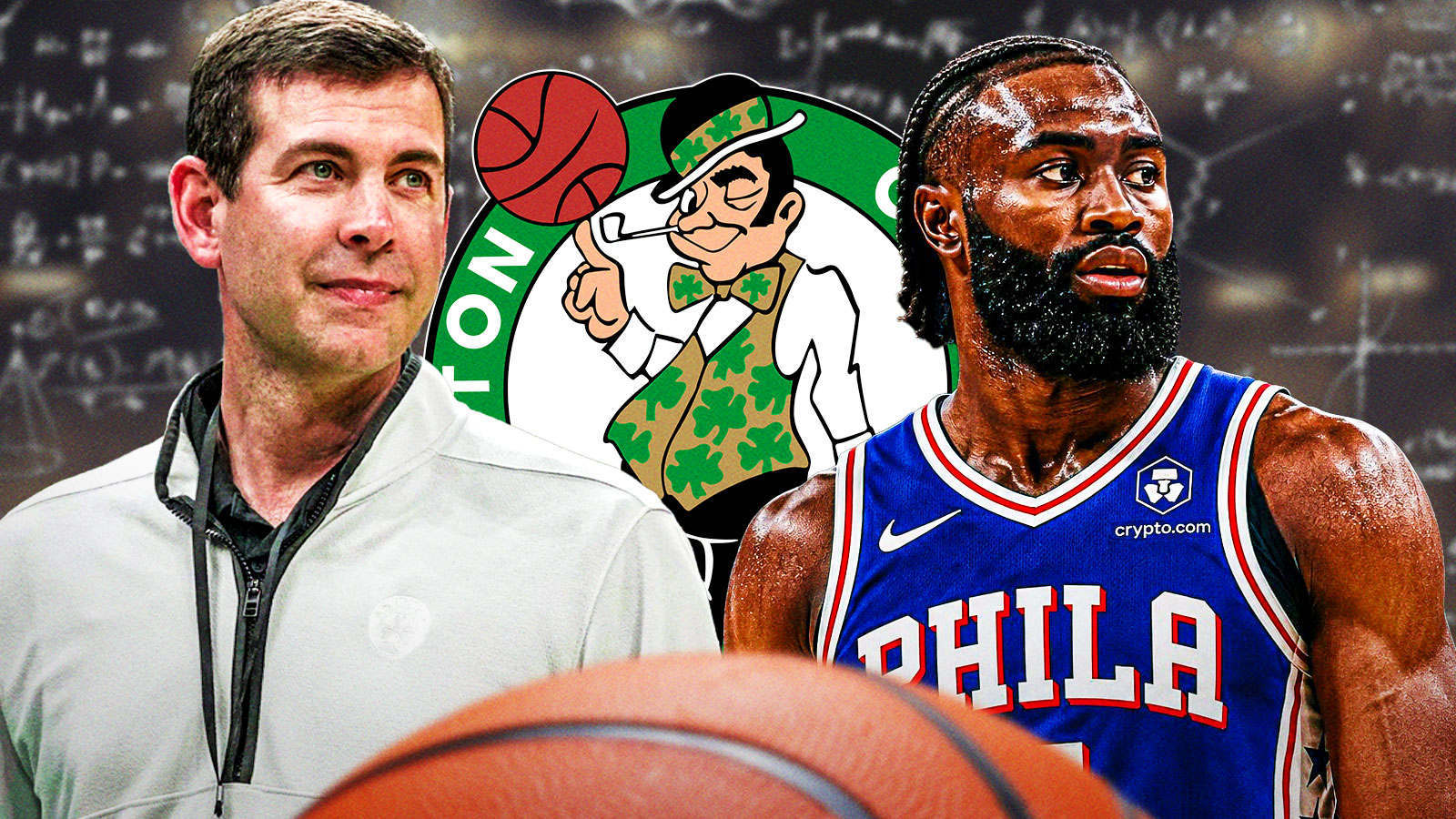
The NBA world spent the last week arguing about whether the Celtics got fleeced. Paul George is 36. The Sixers got a top-10 player in his prime. Boston walked away with one unprotected pick, a couple seconds, and a veteran with creaky knees. On paper, it looks like Brad Stevens lost a trade.
Then you look at the games Jaylen Brown didn’t play.
According to Yahoo Sports’ Tom Haberstroh, the Celtics went 90-36 (.714) over the last four seasons when Brown sat. Over the last three years alone, that number jumps to 36-6. That’s an .857 winning percentage. Equivalent of a 70-win team. In a league where 60 wins gets you a parade, that number should stop any conversation about whether Stevens lost his mind.
Brown had the best season of his career in 2025-26. Points per game (28.7), assists (5.1), rebounds (6.9) — all career highs. He finished sixth in MVP voting. He dragged a Celtics team missing Jayson Tatum for most of the year to 56 wins and the second seed in the East. On the surface, trading that guy makes zero sense.
But this is where the numbers get uncomfortable for the pro-Brown crowd.
Multiple advanced metrics placed Brown outside the league’s top 35 players last season. Plus-Minus, a metric developed by Kostya Medvedovsky, had Brown at 39th. Win shares per 48 minutes dropped him to 51st. Estimated Plus-Minus, which blends box scores with on-off data, put him at 87th. That’s not just outside All-Star territory. That’s barely a high-end starter.
Brown heard all of this. He also heard ESPN’s Bobby Marks say an anonymous analytics guy called him the seventh-best player on his own team. That part got under his skin.
“Analytics nowadays used to discredit and control narratives,” Brown posted on X. “Roll the ball out none of these guys better than me on both ends who does he work for.”
The emotional response didn’t help his case in Boston’s front office. Stevens had already tried to flip Brown for Giannis Antetokounmpo before the Bucks sent him to Miami. That offer leaked. Then Brown’s comments about the 2025-26 season being his favorite — despite blowing a 3-1 lead to the Sixers in the playoffs — landed flat with fans. Stevens never publicly shut down the trade rumors. Brown kept telling the media he wanted to stay for another 10 years. It felt like a one-sided relationship.
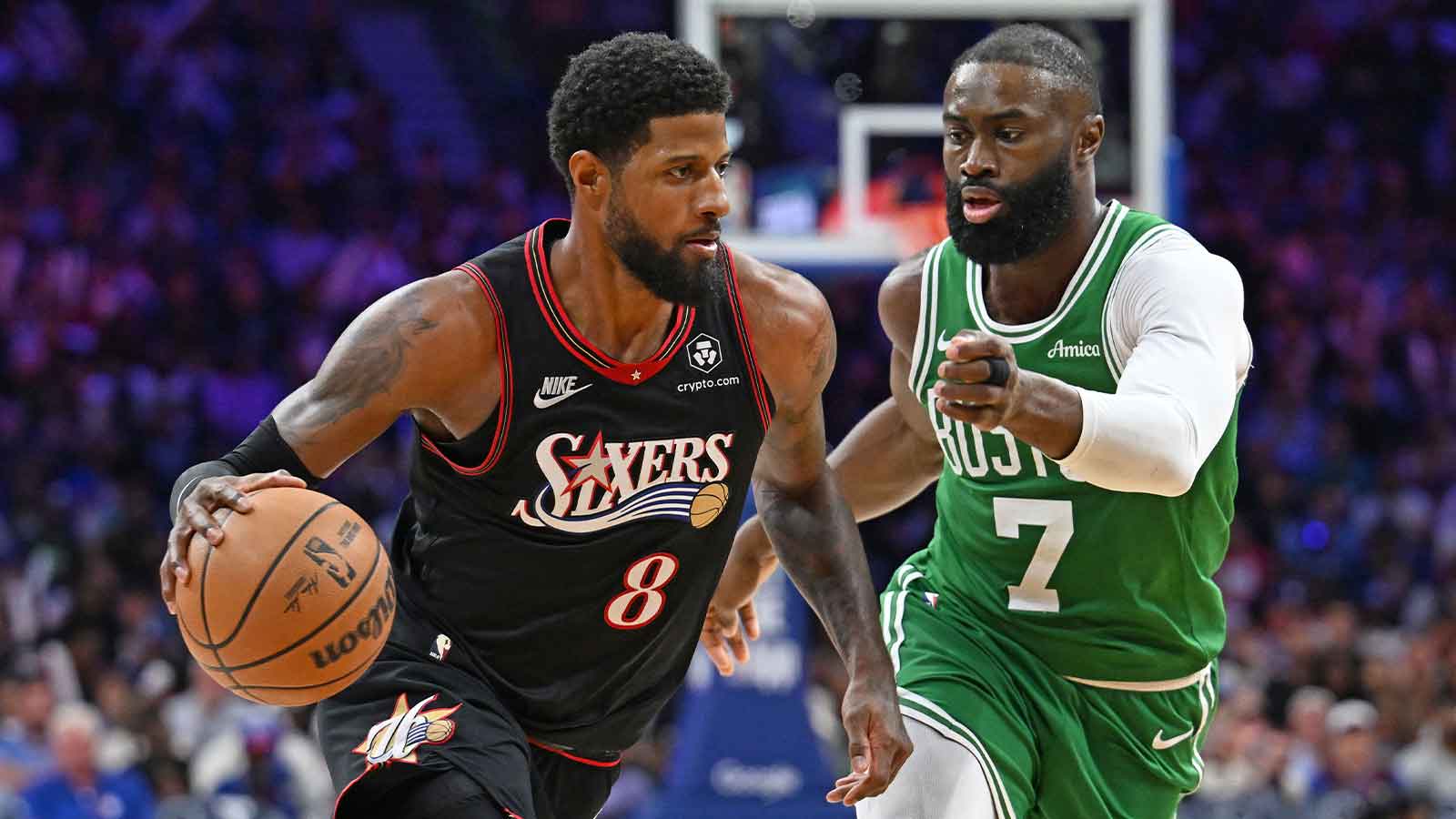
Haberstroh drilled down on what happened when Brown sat last season. The Celtics went 9-2 without him. Their defense allowed 96.7 points per game in those games. That’s the kind of number that makes a front office wonder if a player’s reputation as a defensive stopper lines up with actual results.
Stevens looked at those on-off splits. He saw Derrick White and Payton Pritchard capable of handling more responsibility. He saw a Sixers offer that included an unprotected 2028 first-round pick from the Clippers — a potential gold mine if Kawhi Leonard’s knees ever truly give out. And he saw a team that might actually be better without its second-best player.
The Celtics didn’t trade Brown because they think Paul George is better. They traded him because the math told them the whole was already greater than the sum of its parts, and the most expensive part was creating drag.
Leave a Comment