
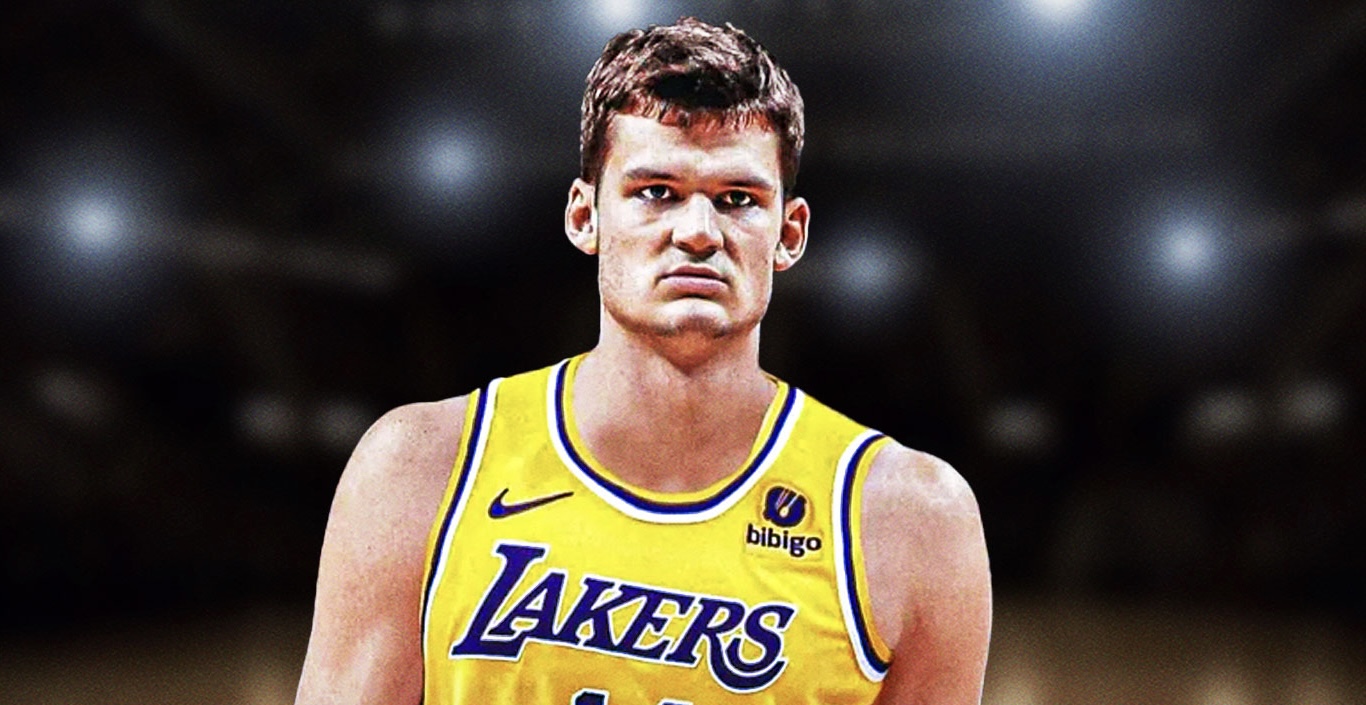
The Lakers didn’t just sign a center. They emptied the clip for one.
Before the NBA free agency period even got rolling for real, Los Angeles pulled off a sign-and-trade with Utah to land Walker Kessler. The cost? A four-year, $130 million contract and just about every draft pick the franchise owned until 2033. One second-rounder is still sitting there. That’s it.
The move answers the obvious question of who plays next to Luka Doncic in the frontcourt. Kessler is a massive defensive presence at the rim, an elite shot-blocker who doesn’t need the ball to be effective. Offensively he’s limited to dunks and layups, but that’s fine. The Lakers have Doncic and Austin Reaves to handle the scoring and playmaking. They needed someone to clean up the glass and protect the paint. Kessler does both.
But let’s be real about the risk here. Kessler has played fewer games every season since his rookie year. Last year he missed all but five games with a shoulder injury. Some of that is the Jazz being in no rush to bring him back during a tank job. Some of it is legit health concern. The Lakers are betting he stays on the floor.
And the money. Thirty million a year for a guy who has never averaged more than 9.2 points per game and has started exactly 110 games in four seasons. That’s a lot. That’s an uncomfortable amount for a player who hasn’t proven he can be a featured guy on a contender. But restricted free agency forces your hand. If you want the player, you pay the number. The Lakers paid it early, too, which kept them from sitting around waiting for Utah to match an offer sheet while other free agents disappeared.
What the Lakers gave up
The trade itself stripped the cupboard bare. Los Angeles sent multiple first-round picks and pick swaps to the Jazz. The full details haven’t been released yet, but the team confirmed it included 2029 and 2031 unprotected firsts plus a 2030 swap. That’s the kind of package you normally see for a superstar.
This is where the criticism lands. The Lakers now have no way to improve the roster through the draft for the rest of the decade. If you’re a contender that’s fine because your picks are late anyway. But if things go wrong and the Lakers slip into the lottery, they won’t have a path to rebuild without trading someone like Doncic or Reaves. That’s a lot of pressure on one deal.
Rob Pelinka needed to make something happen this summer. The roster was thin and the Doncic era needs to produce sooner rather than later. Kessler is a good player. He’s young, he fits the system, and the Lakers landed him on the second day of the negotiating window without getting into a bidding war. That’s a win in isolation.
The grade settles at a B. The draft capital hurts and the contract is scary. But the Lakers got the best available center on the market and addressed the biggest hole on the roster. Now it matters whether Kessler stays healthy and whether the supporting cast around him can hold up. That part hasn’t been answered yet.
Leave a Comment