
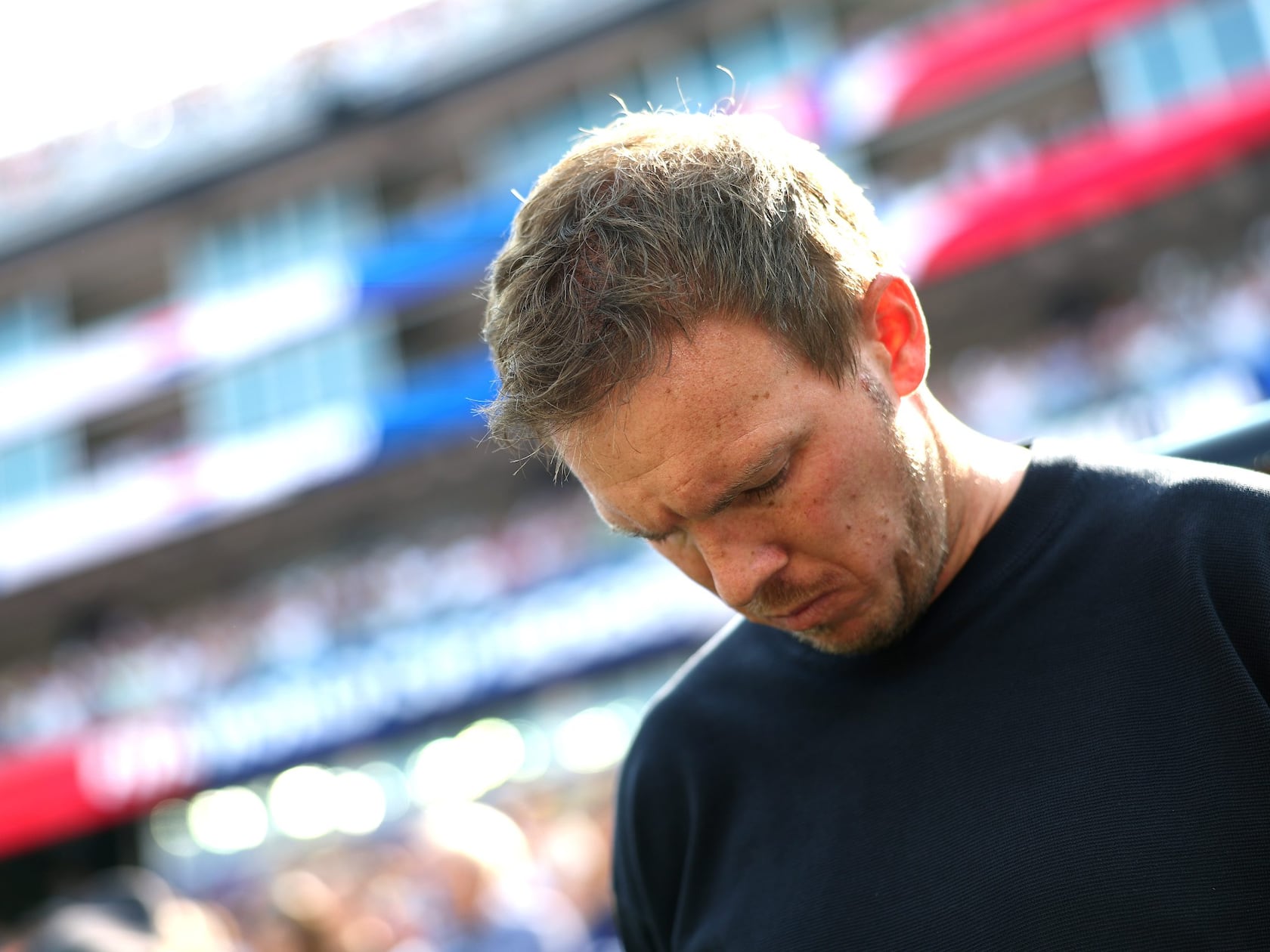
Germany is going home earlier than anyone expected, and it had nothing to do with the penalty shootout against Paraguay. That was just the final scene of a much longer, more frustrating story.
Let’s be honest. The warning signs were there for weeks. Julian Nagelsmann’s team dominated possession against Paraguay, sure. They even thought Jonathan Tah had saved them with a dramatic extra-time winner, until VAR correctly spotted Waldemar Anton fouling Paraguay goalkeeper Roberto Fernandez in the buildup. But that moment of near-glory masked a deeper problem that had been brewing since the group stage.
The trouble started long before those penalties. Nagelsmann watched his attackers struggle against Ivory Coast and Ecuador. His substitutes kept showing more spark than the guys starting. And what did he do? Almost nothing. Leroy Sane kept getting the nod despite looking lost for most of the tournament. Other forwards were chipping in with goals or assists or at least better performances, but Sane was still one of the first names on the team sheet. That’s not how you win World Cups.
Joachim Low figured this out in 2014. Remember when he moved Philipp Lahm back to right-back and everything clicked? That kind of adjustment requires a coach who’s willing to admit something isn’t working and change it. Nagelsmann never showed that willingness. His lineup decisions were the first domino.
The missing ingredient nobody’s talking about
This Germany squad has talent. Plenty of it. Technically, these guys can play with anyone in Europe. But against Paraguay, when the pressure cranked up, something was missing. Leadership. Pure and simple.
According to reports after the match, multiple players were hesitant to step up for the penalty shootout. Whether that’s the whole truth or just part of it, the contrast in body language was stark. Paraguay looked like they expected to win. Germany looked like they hoped to survive.
That used to be Germany’s thing. Resilience. An almost arrogant belief that they’d find a way to grind out the win. Paraguay had that energy this time. They defended together, soaked up the occasion, and never looked rattled. Previous German teams might not have been the most technically beautiful, but they had that dog in them. Now? Joshua Kimmich is one of the few guys still showing it.
This isn’t just about one tournament
Germany hasn’t won a Confederations Cup since 2017, and honestly, that trophy feels like it belongs to a different era. The shift toward possession football and positional play was supposed to modernize the program. And it did, in some ways. But somewhere along the way, the old identity got left behind. Aggressive pressing. Physical dominance. Direct attacks. Leadership. Relentless competitiveness. Those things have faded with each tournament.
Nobody is saying Germany shouldn’t have evolved. International soccer changes, and you have to adapt. But evolution shouldn’t mean abandoning what made you great. Three straight disappointing World Cups say this isn’t fixable with a few tactical tweaks. The DFB has bigger questions to answer about what this team wants to be. Until they figure that out, they’ll keep falling short when the lights are brightest.
Leave a Comment