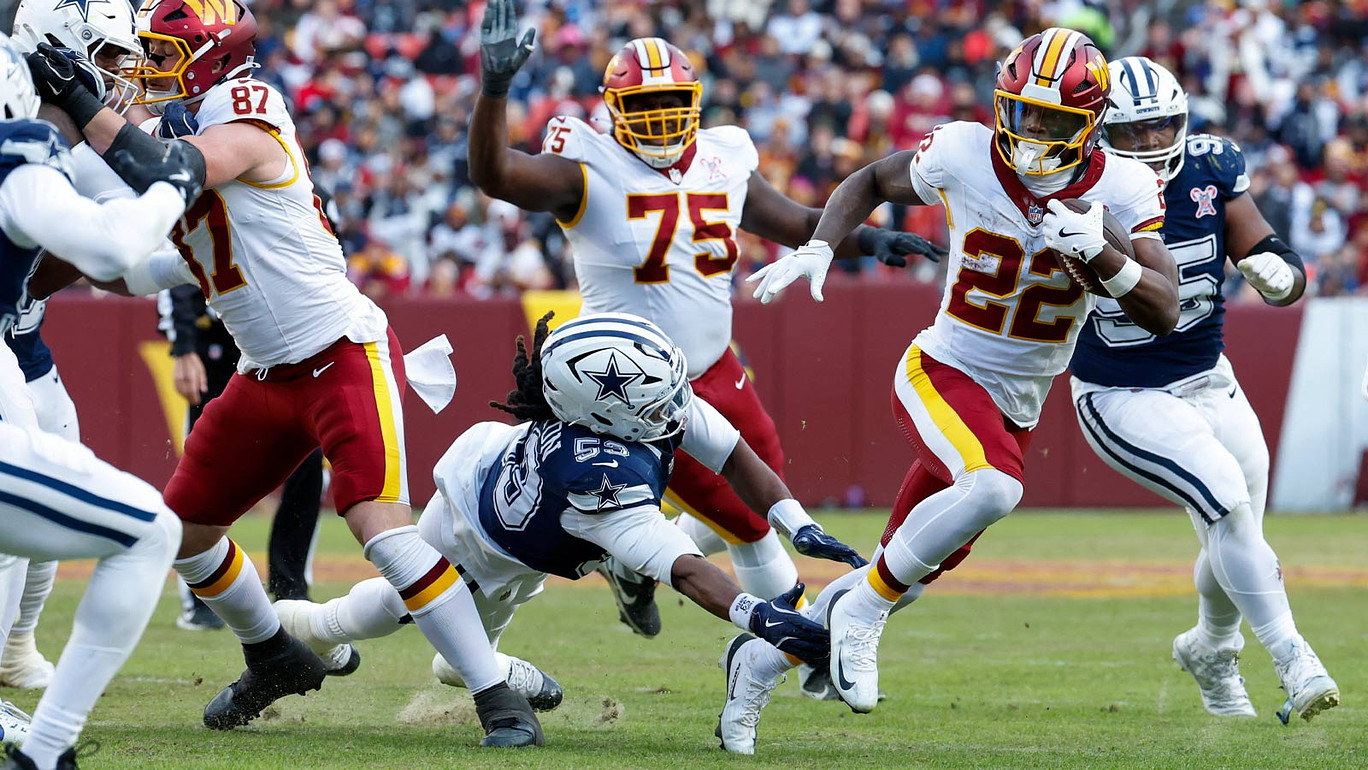
You can call a seven round mock draft for 2027 a pointless exercise if you want. But for a franchise like Washington, which keeps skirting the edges of something that looks like competence but never quite gets there, these exercises expose real needs that aren’t going anywhere.
The Commanders are stuck in an odd spot. They have a young offensive coordinator in David Blough who’s already taking heat. Defensive coordinator Daronte Jones has pieces to work with but needs more. And somehow Brandon Aiyuk is still joking about joining this team despite not being on it. Which is funny until you realize Washington’s best playmaker conversations still revolve around a guy who plays for San Francisco.
A PFF mock simulator run at The Athlitic produced a draft haul that addresses actual problems. Not theoretical ones. Real ones.
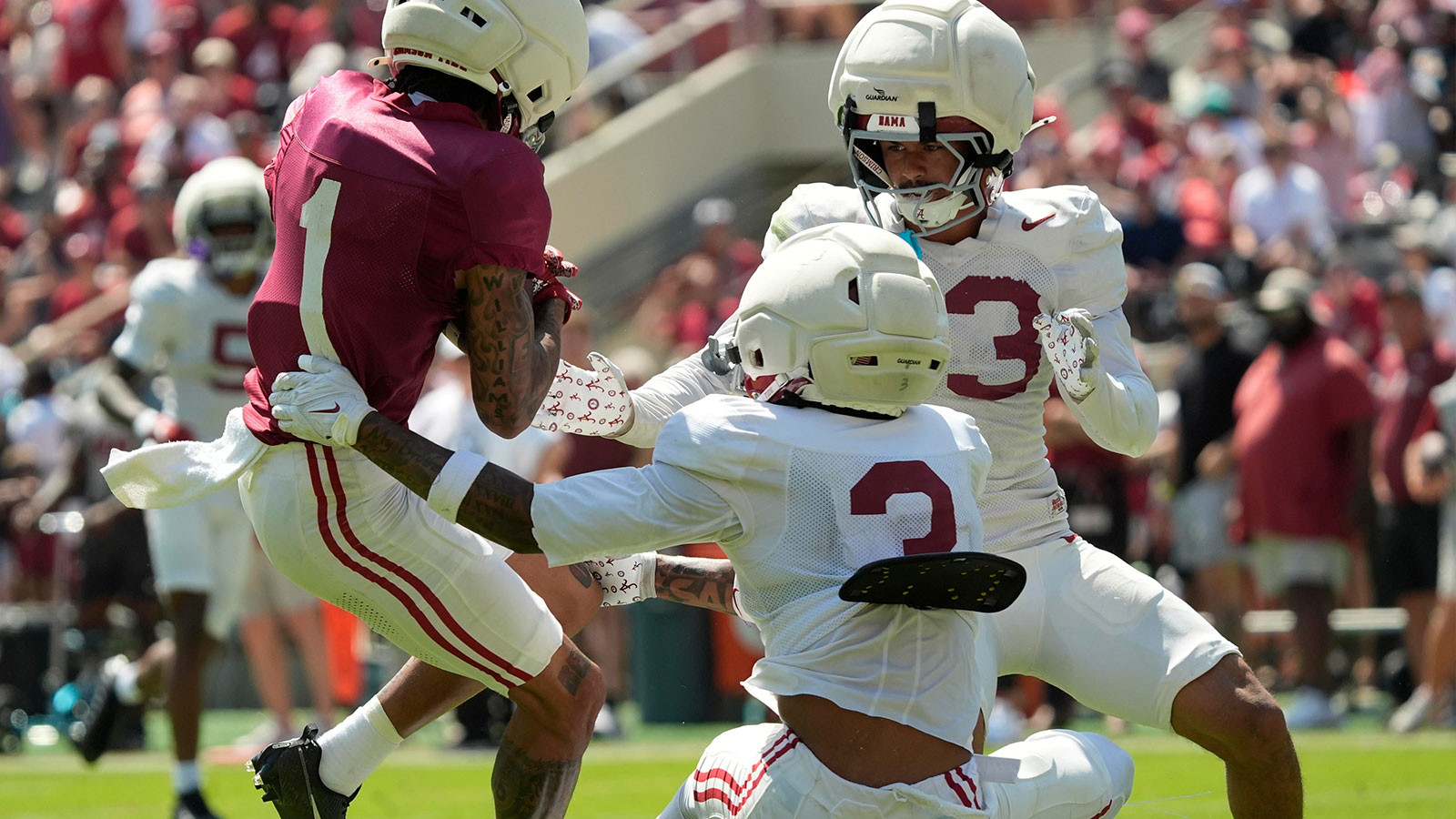
Round 1 at No. 11: A Receiver Who Changes the Math
Ryan Coleman-Williams, better known as Ryan Williams at Alabama, is the kind of player who makes offensive coordinators look smarter than they are. He’s not huge. He’s not a possession guy who wins with size. But his acceleration, his ability to separate after the catch, and the fact that defenses have to know exactly where he is on every snap — that’s what Washington lacks more than anything.
The Commanders have talked for years about offensive identity. Drafting a human highlight reel at 11 would be a statement that goes beyond words. Blough needs players who can make something out of nothing when a play call breaks down. Williams fits that description.
Yes, there are questions about his size and how he’ll handle press coverage against NFL corners. But players with his speed and production don’t typically fall very far. Washington would be betting on explosiveness over polish. That’s a bet worth making when your offense has been this boring.
Round 2, Pick 43: A Safety Who Reads Like a Quarterback
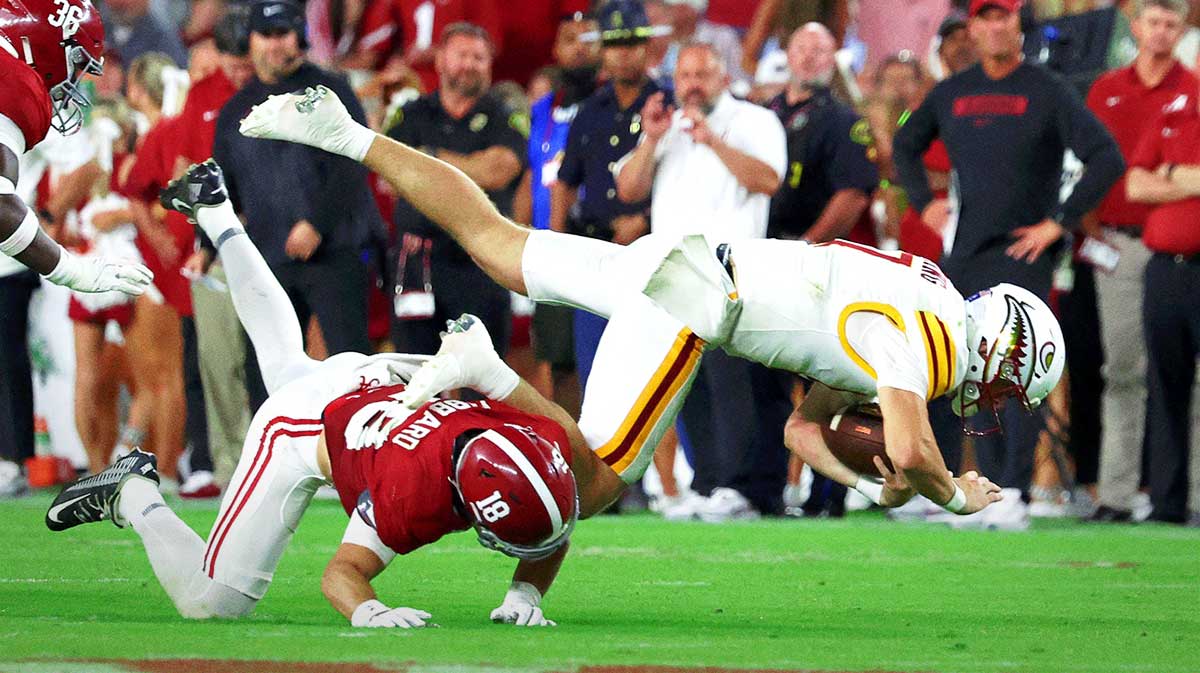
Bray Hubbard is a converted high school quarterback now playing safety at Alabama. That background shows up in how he reads routes and processes the field. He’s not just a missile looking for contact. He sees things develop.
Jones wants versatility in his secondary. Hubbard can play deep, drop down to cover tight ends, or rotate into the box. He also hits hard enough to make receivers think twice over the middle. In a division with multiple creative offensive schemes, having a safety who can do more than one thing is almost mandatory now.
Round 3, Pick 73: Bear Alexander’s Talent vs. His Resume
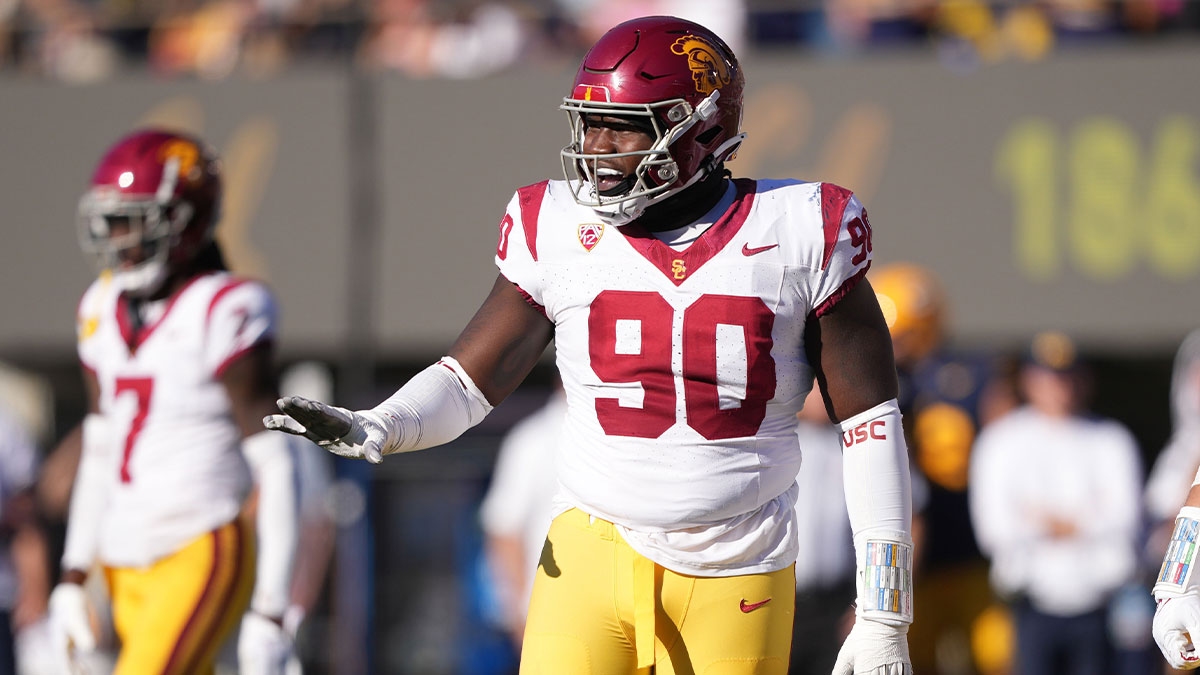
Bear Alexander has played at Georgia, USC, and now Oregon. That many stops raises eyebrows. But his talent has never been the issue. When he’s locked in, he’s a disruptive interior presence who can collapse the pocket and hold his ground against the run.
Interior pressure is the quickest way to wreck an offense. Washington has invested in edge rushers, but the middle of the defensive line still needs work. Alexander in the third round is a gamble on potential. But the upside is a starting caliber tackle who can occupy multiple blockers and still get push.
Rounds 4 Through 7: Filling Around the Edges
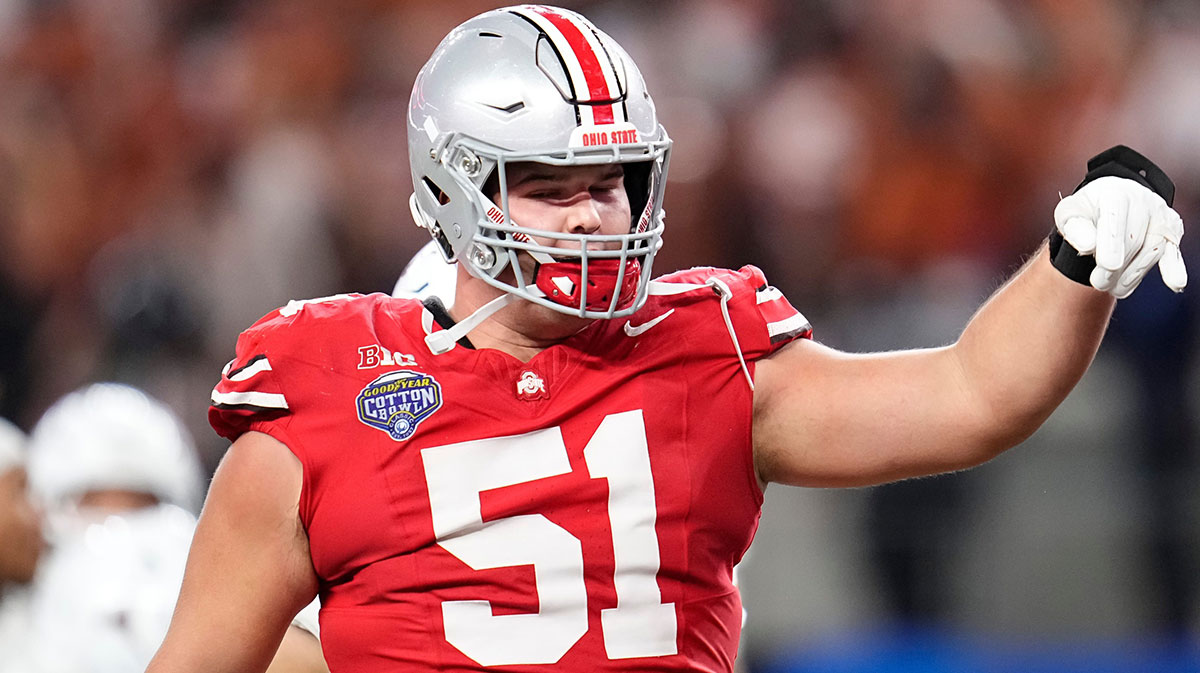
In the fourth round, Luke Montgomery from Ohio State provides offensive line depth with starting experience at guard. He’s not flashy. He’s not going to make highlight reels. But he can compete for a job and offer injury protection, which is more than most fourth round linemen provide.
Josh Hoover from North Carolina in the fifth round is a developmental quarterback with actual starting experience. He’s thrown a lot of passes in real games. That alone puts him ahead of most Day 3 quarterbacks. Washington isn’t looking to create a controversy here. They need someone who can push for a backup role and maybe, down the line, be more.
The sixth round brings Isaac Smith from Mississippi, a safety who hits like a linebacker and can contribute immediately on special teams. Pairing him with Hubbard gives Jones two different types of defensive backs who can tackle and cover. That flexibility matters more than it sounds like.
Seventh round pick Caleb Woodson is a linebacker who started as a safety at Virginia Tech before moving to Alabama. That background gives him coverage skills most linebackers don’t have. Late round flyers on players with unique traits are how rosters get deeper without spending premium picks.
What This Draft Actually Does
The headline here is simple. Washington gets faster on offense, tougher up front, and more flexible in the secondary. They add a quarterback who can develop, an offensive lineman who can compete, and a few defensive pieces who make training camp competitive.
Nobody knows how these players will actually turn out. But the draft philosophy makes sense. It addresses specific needs rather than just collecting talent. And for a franchise that’s spent years trying to figure out what it wants to be, having a clear direction — even in a simulated mock draft — is something worth paying attention to.
Leave a Comment