
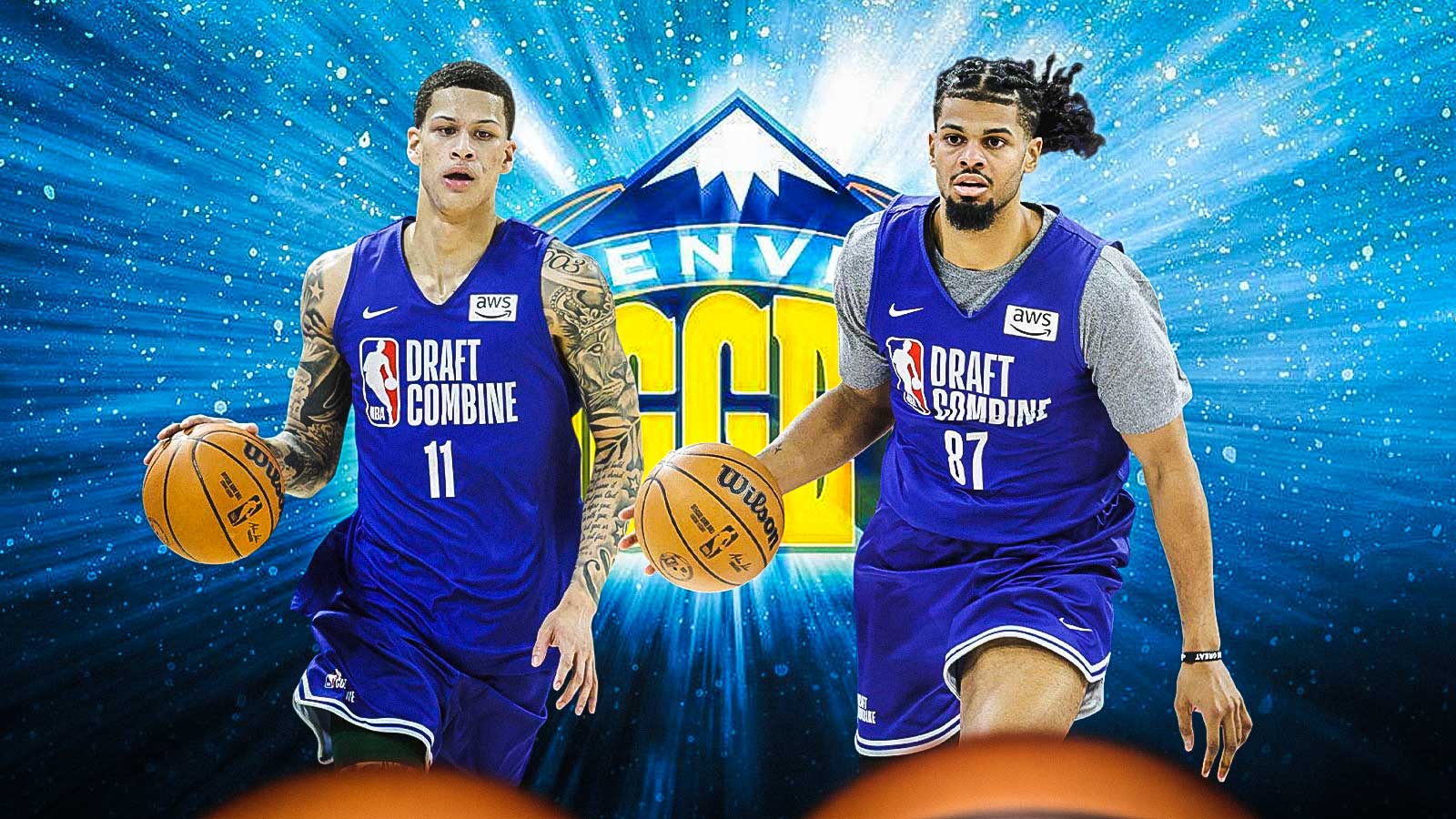
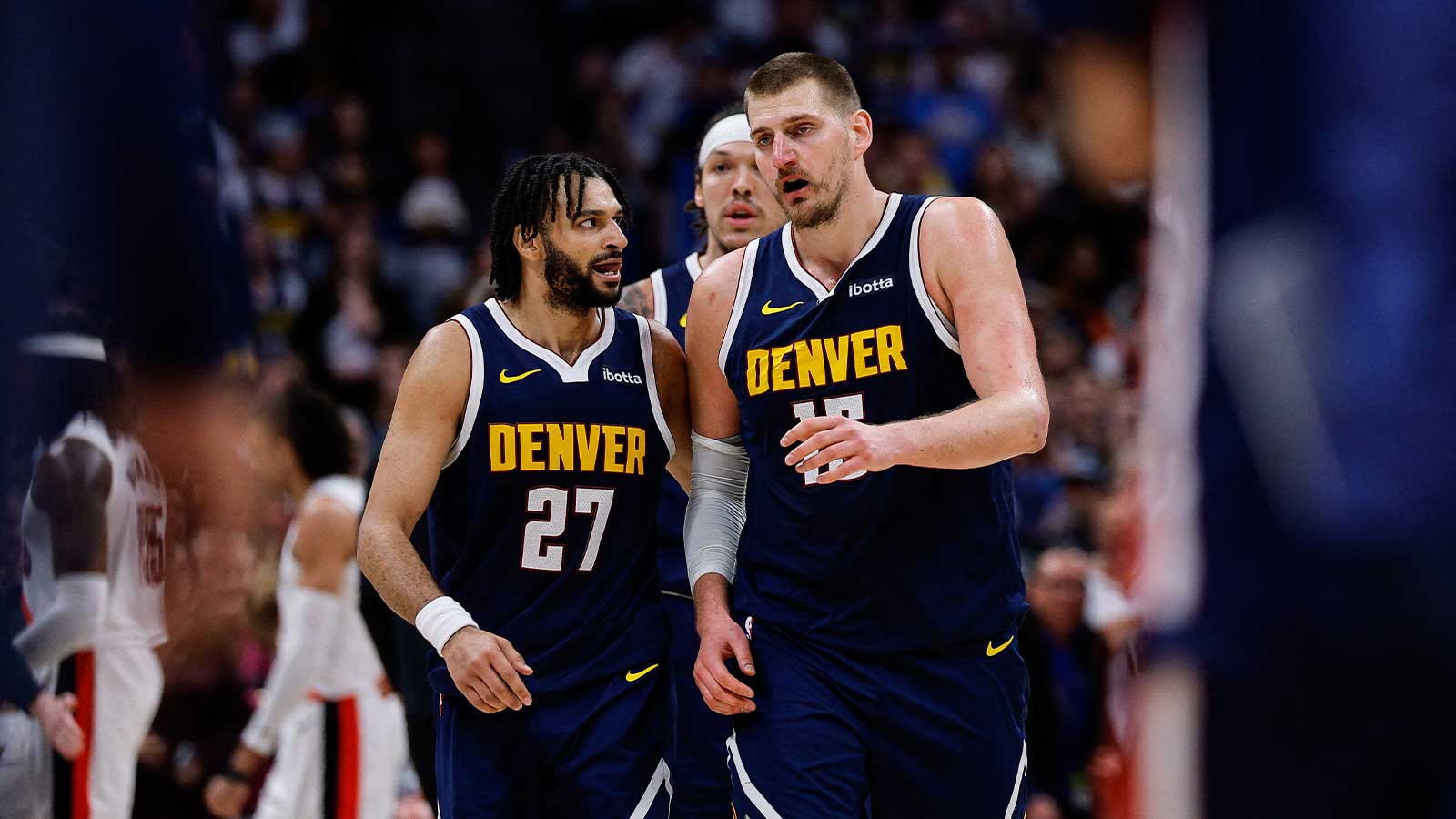
The Denver Nuggets walked into the 2026 NBA Draft knowing their championship window is still wide open. As long as Nikola Jokic is playing at an MVP level, every roster decision gets measured against one question: Does this help us win another ring? But after a first-round playoff exit at the hands of the Minnesota Timberwolves, it was clear the Nuggets had a problem. They were too thin. Too slow. Too dependent on their starters to hold up against elite athleticism.
So the front office did something that might look timid on paper but reads smarter the longer you sit with it. They traded down.
The one move that defined Denver’s night
The Nuggets held the No. 26 pick and used it on UConn big man Tarris Reed Jr. Then they immediately flipped him to the San Antonio Spurs for the No. 35 pick and two future second-rounders. On the surface, that looks like a team scared of its own payroll. And yeah, the financial part matters. A first-round contract costs real money for a team already capped out. But the bigger picture is about asset accumulation. Denver needs trade chips. They need flexibility. And they just added two future picks without giving up anything except a late first-rounder they weren’t sold on.
The gamble is that Reed turns into a rotation guy somewhere else. He’s a physical 6-foot-9 center with real upside. But the Nuggets saw a chance to address their immediate needs later in the draft and took it.
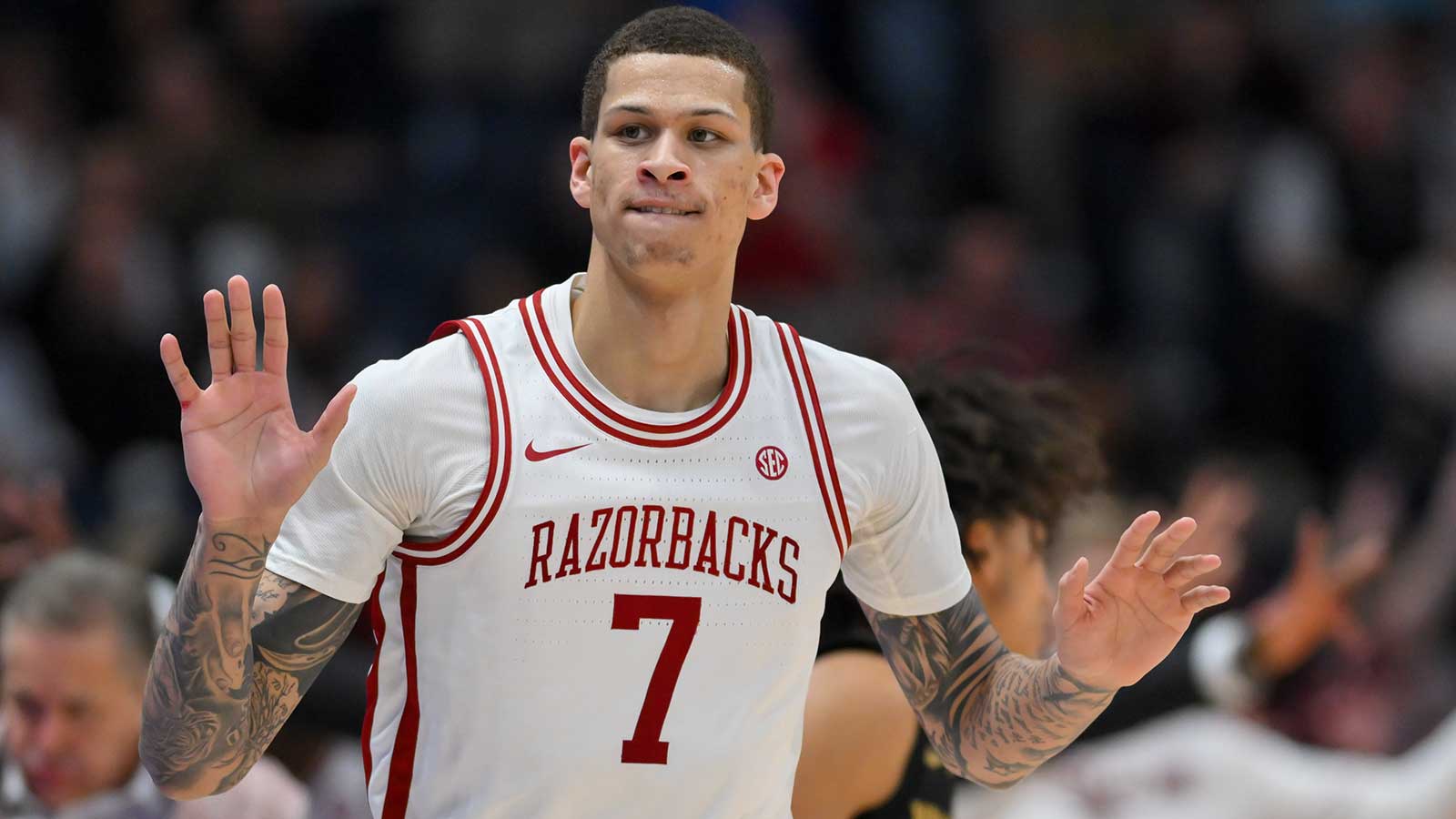
Trevon Brazile at No. 35 is exactly what they needed
With San Antonio’s pick, Denver grabbed Arkansas forward Trevon Brazile. This is the kind of athlete the Nuggets simply did not have on their roster last season. He’s nearly 6-foot-10 with a 7-foot-4 wingspan and explosive vertical pop. He can run the floor, catch lobs from Jokic, and switch onto guards on defense. That last part is the key. Minnesota’s length and athleticism exposed Denver’s lack of wing depth in the playoffs. Brazile gives them a long, mobile defender who doesn’t need plays run for him to be effective.
His jumper is inconsistent. His decision-making needs polish. But the Nuggets didn’t draft him to be a scorer. They drafted him to fill a gap that almost cost them their season. For a second-round pick, that’s a steal.
Bryce Hopkins brings a different kind of toughness
Denver used its other second-rounder (No. 49) on Bryce Hopkins. He’s not the athlete Brazile is. What he offers is strength, experience, and a hard-nosed approach to winning basketball. He rebounds in traffic. He finishes through contact. He knows where to be on defense even if his lateral quickness limits him against elite wings. The Nuggets need guys who can step in and not get bullied. Hopkins fits that role better than most players available that late in the draft.
The final grade depends on what happens next
None of these moves will make a highlight reel. Denver didn’t swing for the fences. They added two frontcourt players with different skill sets, picked up future draft assets, and kept their books clean. Whether that works depends on Brazile developing into a rotation defender and Hopkins proving he can hold his own against NBA physicality. But for a team that needed more length, more athleticism, and more options without blowing up its core, this was a disciplined night. The championship window didn’t just stay open. It got a little wider.
Leave a Comment