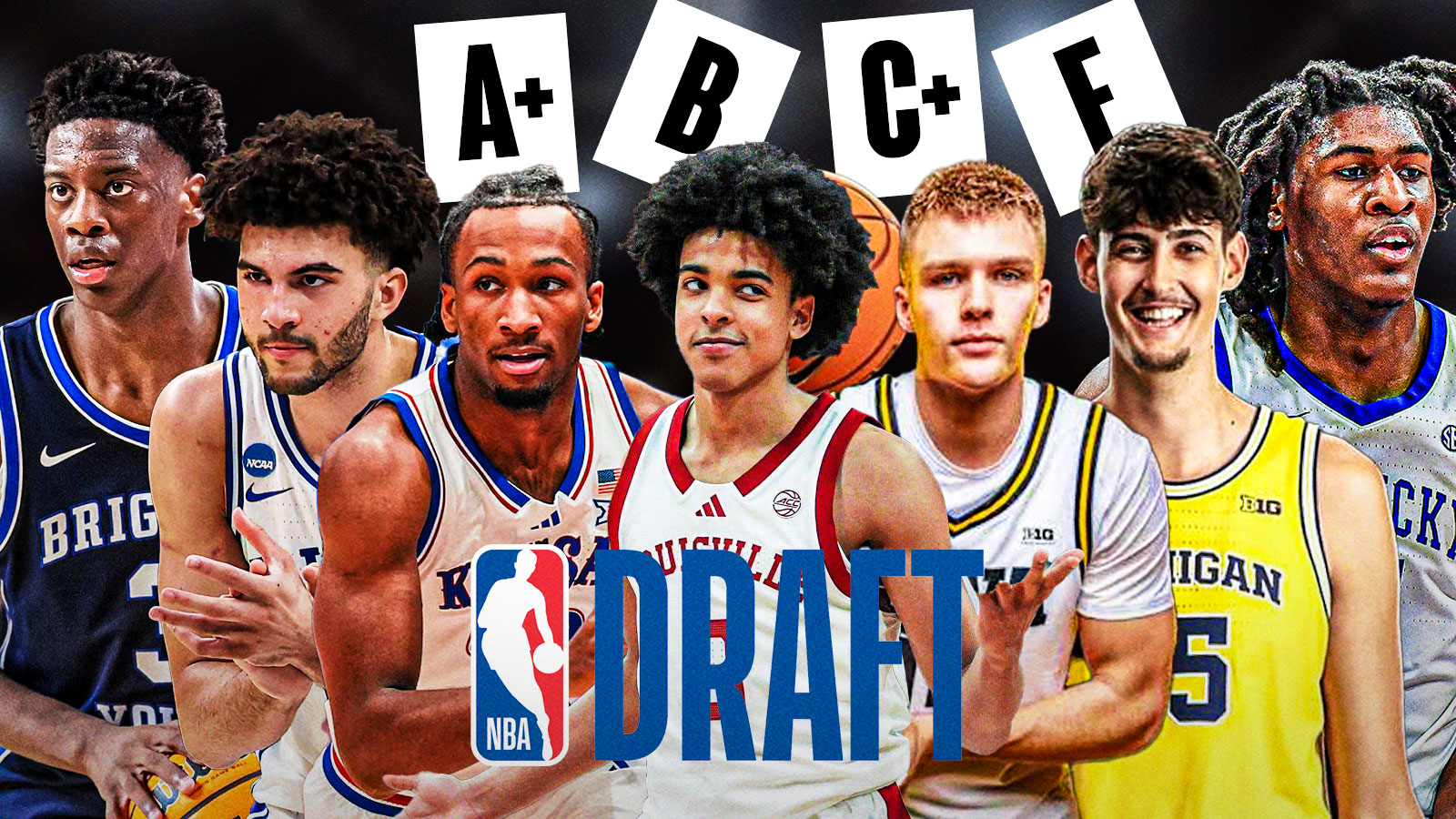
The 2026 NBA Draft is over, and we got a class that could end up being one of the deeper ones in recent memory. AJ Dybantsa went No. 1 to Washington. Darryn Peterson landed in Utah. Cameron Boozer headed to Memphis. But the real story isn’t just the top names. It’s how a bunch of teams in the lottery and beyond walked away with players who might actually help them win games sooner than later.
There weren’t many shockers in the first round. A few trades happened. Teams swapped spots. But mostly, everyone picked for need. The lottery teams chased star power and long-term upside. The contenders at the back end of the first round looked for rotation pieces. Ten different teams took two prospects each in the first round alone.
Then came the second round, which was chaos. Teams jumped around, traded picks, and tried to find the next hidden gem. Some succeeded. Some definitely did not.
Here’s how every team graded out.
Washington Wizards: A+
AJ Dybantsa at No. 1 was the obvious call. He gives Washington a scoring wing they haven’t had since… honestly, maybe ever. He fits next to Trae Young and Anthony Davis. The Wizards haven’t won a playoff series since 2017, but with Dybantsa leading the way, they might not be waiting much longer.
Utah Jazz: A+
Darryn Peterson wanted to be the top pick. He fell to No. 2 and ended up in a better spot. The Jazz already have Lauri Markkanen, Jaren Jackson Jr., Walker Kessler, Keyonte George, and Ace Bailey. Now they add Peterson, who could be the final piece. His cramping issues at Kansas are behind him. He’s got a chip on his shoulder.
Memphis Grizzlies: A+
Easy choice at No. 3. Cameron Boozer does everything. He’s not a freak athlete or a shot-blocking machine, but his feel for the game is elite. Then the Grizzlies traded back from No. 16, picked up Karim Lopez and five future second-rounders, and somehow added Isaiah Stewart. Masterclass.
Los Angeles Lakers: A+
The Lakers gave up nothing to move up one spot and grab Cameron Carr at No. 24. The trade involved draft rights to a 34-year-old and a 39-year-old who will never play in the NBA. Carr shot 37.4 percent from three at Baylor and has a 7-foot wingspan. A top-20 talent fell to them, and they took him with zero risk.
Brooklyn Nets: A
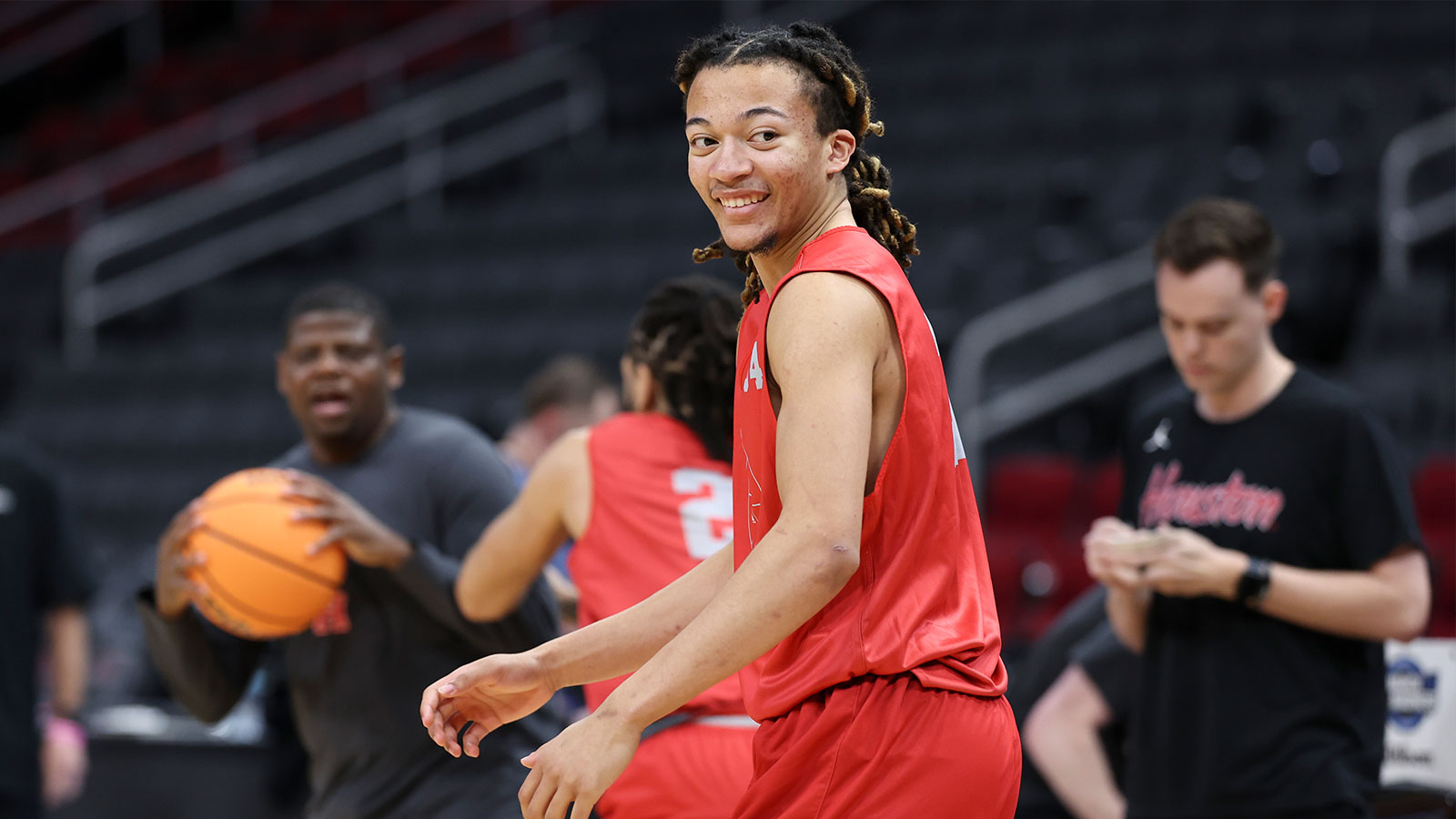
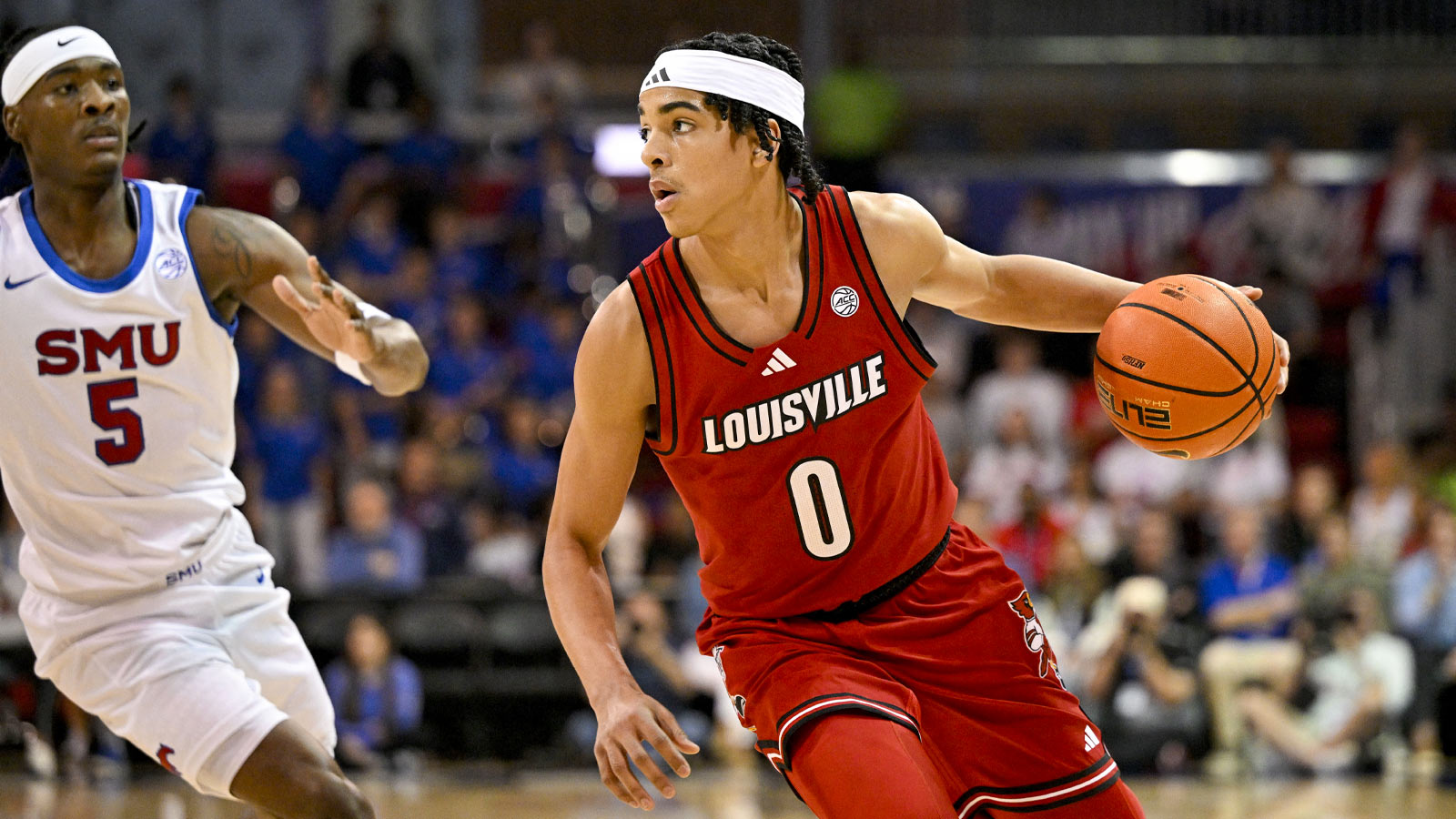
Mikel Brown Jr. at No. 6 was the right pick. He’s an elite scoring guard who makes everyone around him better. His back issues at Louisville are apparently fine now. The Nets then took Joshua Jefferson at No. 28, which is a weird fit next to Julius Randle, but the value is there.
Chicago Bulls: A-
Caleb Wilson went fourth overall, and a few years from now we might wonder how he didn’t go higher. The Bulls are building something positionless. Wilson and Dailyn Swain bring toughness, athleticism, and two-way ability next to Josh Giddey and Matas Buzelis. New exec Bryson Graham has the Bulls on the right track.
Cleveland Cavaliers: A-
The Cavs traded out of the first round to save about $3 million in cap space. That money helps them bring James Harden back in free agency. In the second round, they grabbed Meleek Thomas at No. 34, a crafty combo guard who can back up Harden and Donovan Mitchell.
Oklahoma City Thunder: A-
Sam Presti did it again. The Thunder got Aday Mara at No. 12 for extra size next to Chet Holmgren. Then traded up for Bennett Stirtz, a ball-handler who can back up Shai Gilgeous-Alexander. Otega Oweh in the second round is a nice two-way find.
Golden State Warriors: A
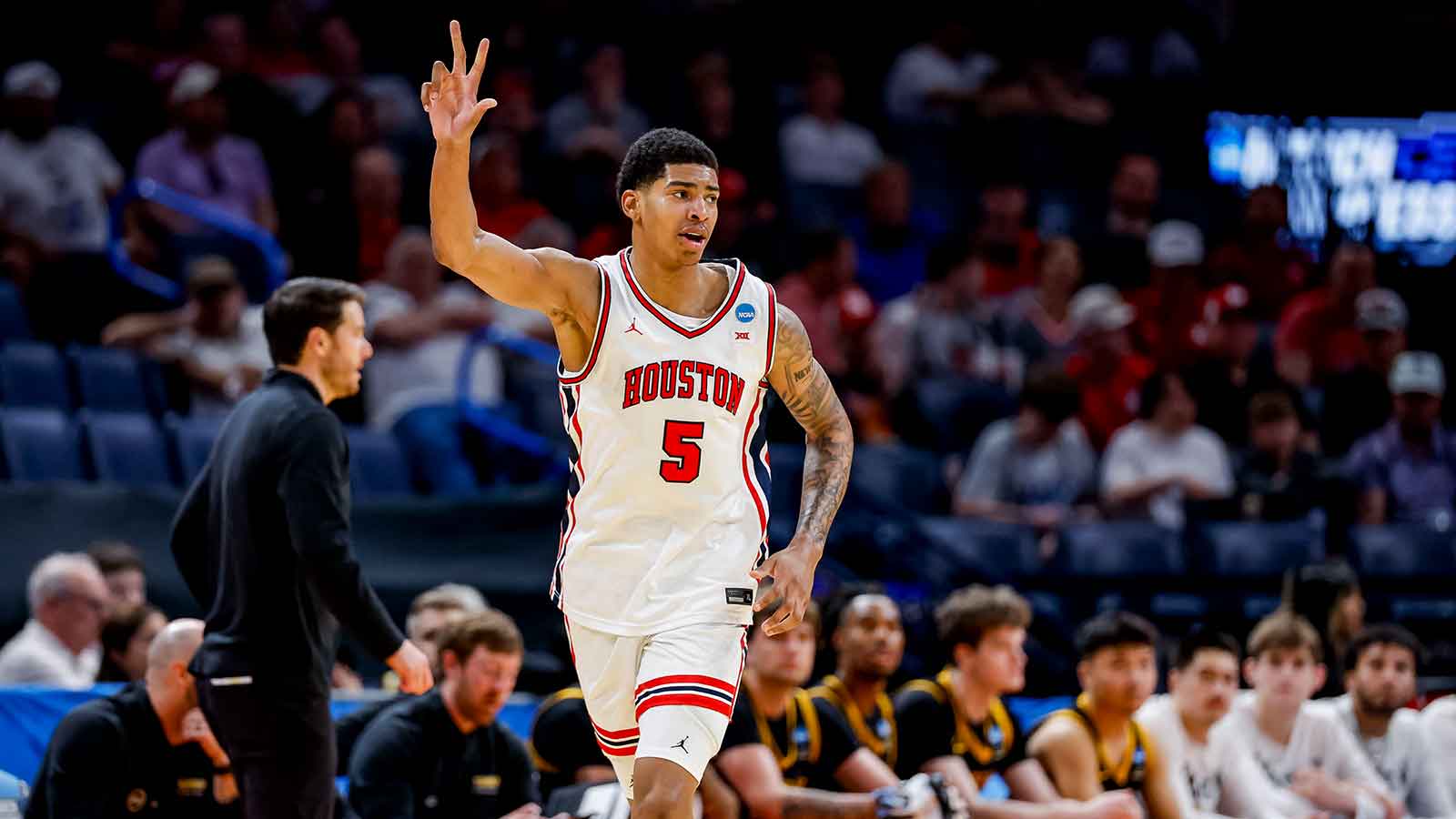
Yaxel Lendeborg at No. 11 is exactly what the Warriors needed. He’s 24, ready to play now, and fills gaps on the wing next to Draymond Green. He might end up on an All-Rookie team just because of how much he stuffs the stat sheet.
Sacramento Kings: A
Darius Acuff Jr. fell to No. 7, and the Kings didn’t blink. Scott Perry stood firm against threats from the Clippers and Nets. Then they moved up to grab Alex Karaban, a two-time national champion who shoots and wins. Emanuel Sharp in the second round adds shooting and leadership.
New York Knicks: A
The defending champs traded out of the first round to stay under the second apron. It’s not flashy, but it’s smart. They picked up multiple future second-rounders and a sharpshooter in Tyler Nickel. Also, they now own the draft rights to 19 players, which is hilarious and will never matter.
Boston Celtics: B+
Chris Cenac Jr. at No. 27 is a long-term project with real two-way upside. He’s 6-foot-10, athletic, and protects the rim. But he needs to develop offensively and stay out of foul trouble. The Celtics addressed a need in the frontcourt, even if the Jaylen Brown trade rumors are the bigger story in Boston right now.
Dallas Mavericks: B+
Morez Johnson Jr. at No. 9 was a surprise, but he fits the culture Dusty May is building. Sergio De Larrea at No. 25 is an intriguing Spanish guard who runs pick-and-rolls similar to a certain former Maverick. He’s not Luka Doncic, but the similarities are there in how he operates.
LA Clippers: B+
Keaton Wagler at No. 5 is a good player. He fits next to Darius Garland and Kawhi Leonard. But passing on Mikel Brown Jr. could haunt them. Wagler’s ceiling is limited as a third option. The second-round additions of Baba Miller and Nick Martinelli add length and shooting.
Miami Heat: B+
The Heat added Ryan Conwell at No. 37. He’s a two-way combo guard from Louisville who shoots threes and plays defense. Another underrated guard for Erik Spoelstra to develop. With Giannis Antetokounmpo now in Miami, cheap contracts matter.
Minnesota Timberwolves: B+
Isaiah Evans slipping to the second round at No. 33 is a steal. He’s a 3-and-D wing with Brandon Ingram-like measurables. Trey Kaufman-Renn at No. 59 is a plug-and-play forward who rebounds and guards multiple positions. Good depth behind Anthony Edwards.
Orlando Magic: B+
Izaiyah Nelson at No. 51 is a defensive-minded center with a 7-foot-3 wingspan. He fits the defensive system Sean Sweeney wants to run. Also, he stays in Florida, which is nice.
Philadelphia 76ers: B+
Labaron Philon Jr. at No. 22 is a top-15 talent who fell. He’s a ball-handler and shooter who can take minutes off Tyrese Maxey. Alabama’s high-tempo offense prepared him well. He joins Maxey and VJ Edgecombe in a backcourt that can push the pace.
San Antonio Spurs: B+
Jayden Quaintance at No. 20 is a risk. His knee is a question mark. But they also grabbed Tarris Reed Jr. at No. 26 as insurance. If Quaintance is healthy, he’s an elite rim protector next to Victor Wembanyama. Ja’Kobi Gillespie and Maliq Brown in the second round add shooting and depth.
Atlanta Hawks: B+
Kingston Flemings at No. 8 gives the Hawks a secondary scorer who can get to the rim. Zuby Ejiofor at No. 23 brings toughness and defense. Henri Veesaar in the second round was a steal, a stretch big who was considered a borderline first-rounder before his agent tried to steer him elsewhere.
Charlotte Hornets: B
Hannes Steinbach at No. 14 is a center who can rebound, set screens, and maybe develop a jumper. Christian Anderson Jr. at No. 18 is a catch-and-shoot guard who can pass. The Hornets checked off two boxes in the frontcourt and backcourt.
Milwaukee Bucks: B
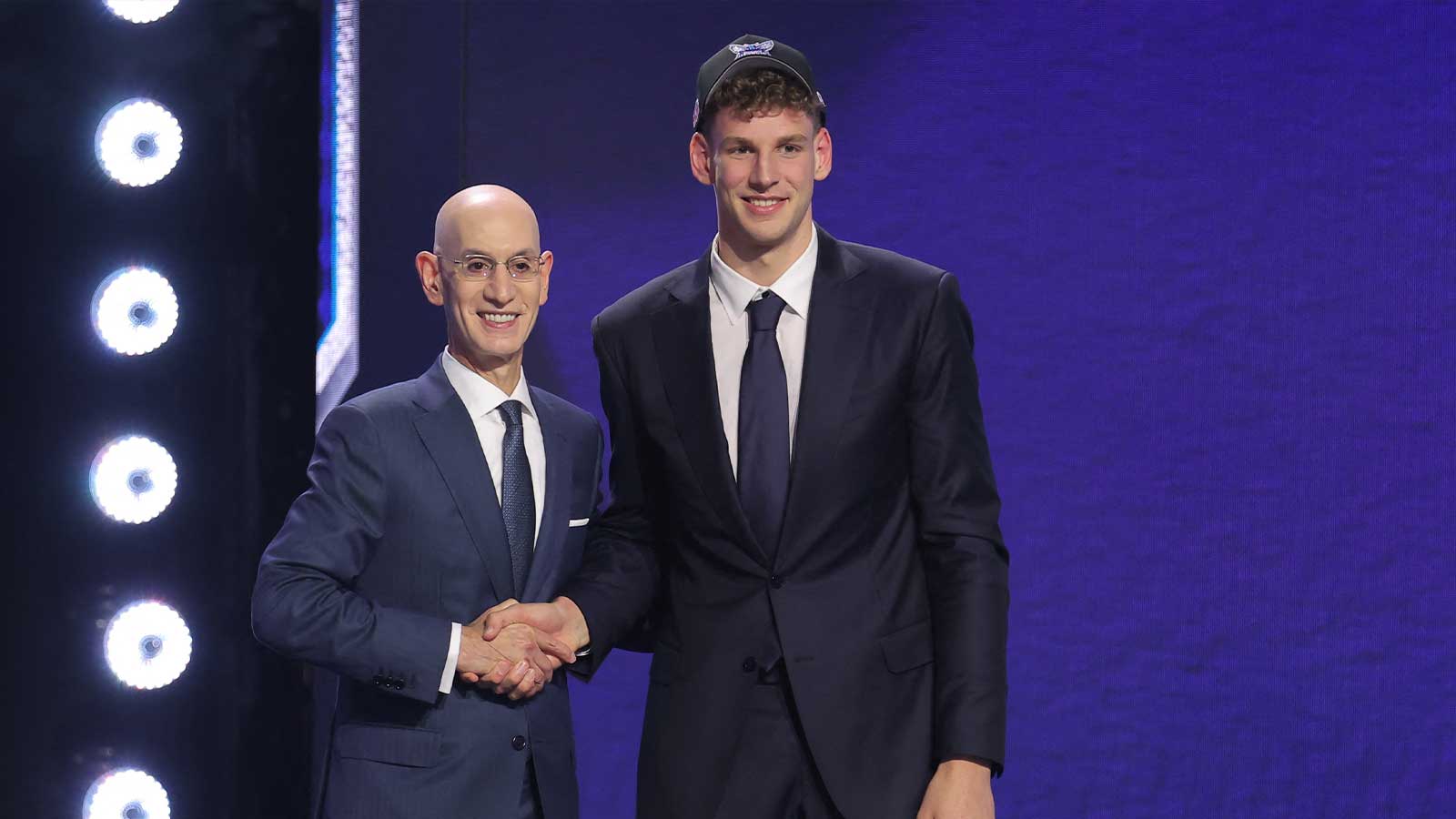
Brayden Burries at No. 10 is good, but where do the minutes come from? Tyler Herro, Jaime Jaquez Jr., and Kasparas Jakucionis are already there. Nate Ament at No. 13 could be a 6-foot-10 wing who becomes an offensive weapon. Or he could be the biggest bust in the lottery. Time will tell.
Phoenix Suns: B
Koa Peat at No. 30 cost them three second-round picks. He’s 19, started on a Final Four team, and can rebound and score inside. His shooting is a concern, but he’s young and the Suns are betting on development.
Toronto Raptors: B
Allen Graves at No. 19 is an analytic darling. He’s efficient, smart, and versatile at either forward spot. He lacks elite athleticism but makes up for it with 3-and-D play and secondary facilitation. Fits next to Scottie Barnes.
Denver Nuggets: B-
The Nuggets moved out of the first round to save money, which is necessary because of second-apron problems. Trevon Brazile and Bryce Hopkins in the second round are versatile forwards who can learn from Aaron Gordon. Keeping Peyton Watson in restricted free agency was the real win.
Detroit Pistons: B-
Ebuka Okorie at No. 17 cost three second-round picks to move up four spots. He’s electric with the ball but questionable shot selection. He might not fit next to Cade Cunningham. Potential is there, but this is the pick we’ll need to revisit in a year.
Houston Rockets: C
Bruce Thornton at No. 31 after trading up is a reach. He’s Ohio State’s all-time leading scorer and can be a bench guard behind Fred VanVleet. But Meleek Thomas and Henri Veesaar were still on the board. The Rockets probably could have waited.
Indiana Pacers: C+
Braden Smith at No. 38 is the NCAA’s all-time assists leader. He’s undersized and not athletic, but he passes and plays with high IQ. He stays local after playing at Purdue. How he fits behind Tyrese Haliburton and TJ McConnell is unclear.
New Orleans Pelicans: C
The Pelicans did nothing. They didn’t trade Trey Murphy III. They didn’t trade into the first round. They took Jaron Pierre Jr. at No. 58, who will likely sign a two-way deal. This franchise is in wait-and-see mode, and the draft didn’t help.
Portland Trail Blazers: F
The Blazers didn’t make a single pick. No first-rounder, no second-rounder. New owner Tom Dundon gave his coach a questionable contract and then didn’t spend a dime to buy into the draft. Portland could have at least bought a second-round pick. They didn’t.
So that’s the 2026 draft class. Some teams nailed it. Some teams are hoping they nailed it. And some teams just didn’t show up. We’ll know who really won in about three years.
Leave a Comment